
Alaska Packing List: Everything We Packed for Alaska's National Parks
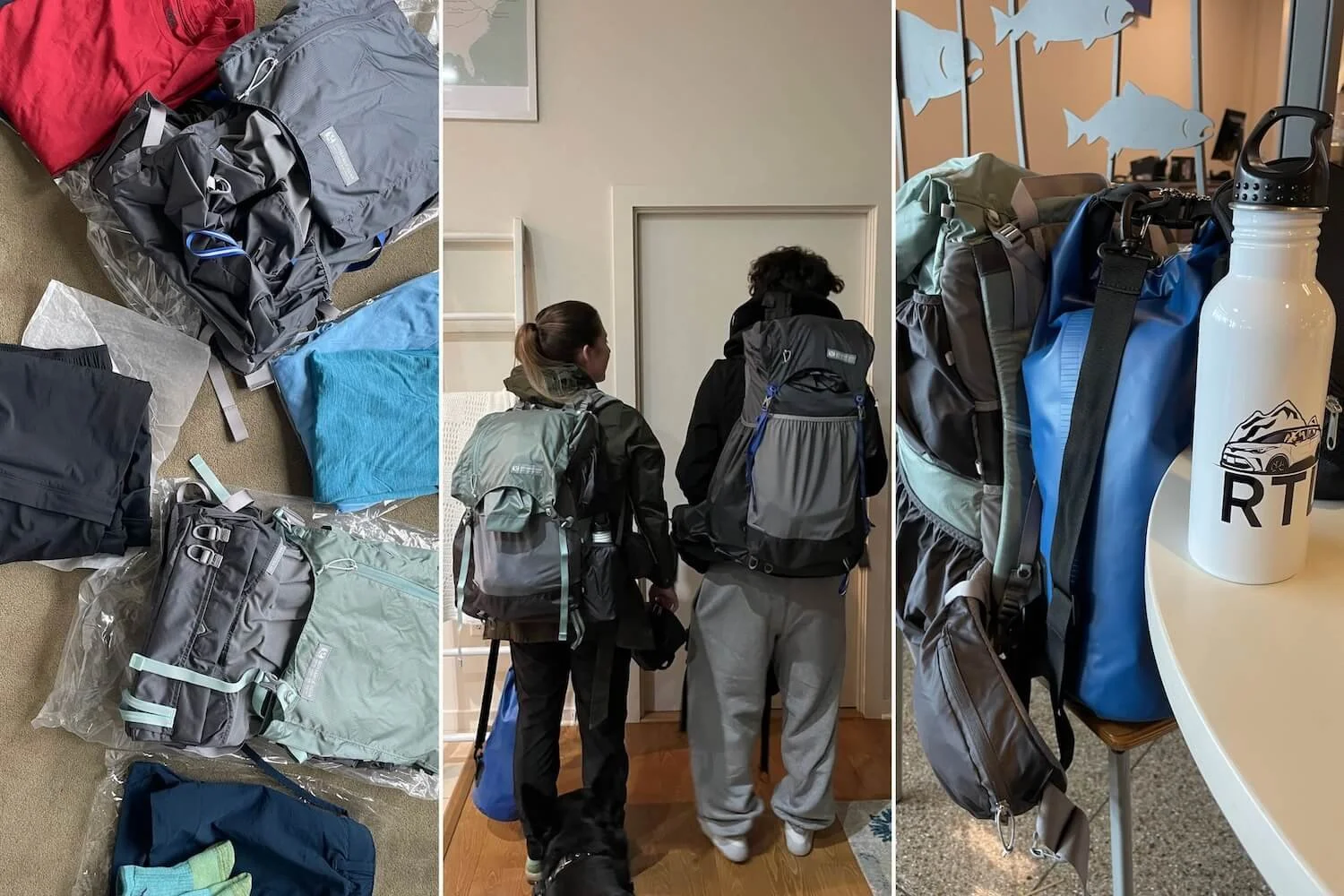
Packing for Alaska required more strategy than any other trip we've ever taken. Instead of packing for just one destination, we were packing for bush planes, glacier hikes, sea kayaking, ice climbing, camping, wildlife watching, long road trip days, and eight wildly different national parks.
Some mornings started in the low 40s. Some afternoons were warm enough for T-shirts. We spent nights in hotels, cabins, campgrounds, and even attempted to tent camp north of the Arctic Circle. Our luggage was constantly being unpacked, repacked, loaded into rental cars, squeezed into tiny planes, and hauled into our next adventure.
By the end of our Great Alaskan Road Trip, we'd learned exactly what earned a permanent place in our backpacks... and what we'd leave at home next time.
This all-in-one Alaska packing list covers everything we packed, what we're glad we brought, what we'd change, and the gear we'd recommend to anyone planning an Alaska adventure. This packing list is based on our summer trip to Alaska (June-July), when most visitors experience Alaska's national parks.
Table of Contents
Affiliate Disclosure: Some of the links in this post are affiliate links, which means we may earn a small commission if you make a purchase through them—at no cost to you. Learn more about the use of affiliate links on our site here.
Our Alaska Packing Strategy
Our Alaska packing strategy came down to a few simple rules:
1. Pack in layers.
Alaska weather changes quickly, even in the middle of summer. We found ourselves adding and removing layers throughout the day depending on where we were, what we were doing, and whether the sun decided to make an appearance.
Rather than bringing bulky clothing for every possible temperature, we focused on lightweight layers that could be added or removed throughout the day.
A typical outfit looked something like this:
Merino wool T-shirt
Lightweight hoodie or fleece
Rain jacket if needed
2. Prioritize versatility.
Every item needed to earn its place in our luggage. If something only worked for one activity or one outfit, it stayed home. We packed clothing that could handle hiking, road trips, boat tours, restaurants, and everything in between.
Merino wool became the MVP of our Alaska packing list. It regulates temperature surprisingly well, dries quickly, and resists odor far better than cotton. That meant we could comfortably rewear shirts, socks, and base layers between laundry stops without feeling gross.
If we could recommend just one clothing upgrade before an Alaska trip, it would be adding a few quality merino pieces to your wardrobe.
3. Pack for 7-8 days (not 21) and plan laundry.
We planned a 21-day trip to visit all 8 of Alaska’s national parks. But instead of packing for 21 days, we packed for about a week and planned laundry stops at Airbnbs, laundromats, and hotels.
Packing lighter made every part of the trip easier. It meant less time hauling luggage into lodging, less stress boarding transportation, more room in the rental car, and fewer things to keep track of as we moved from one adventure to the next.
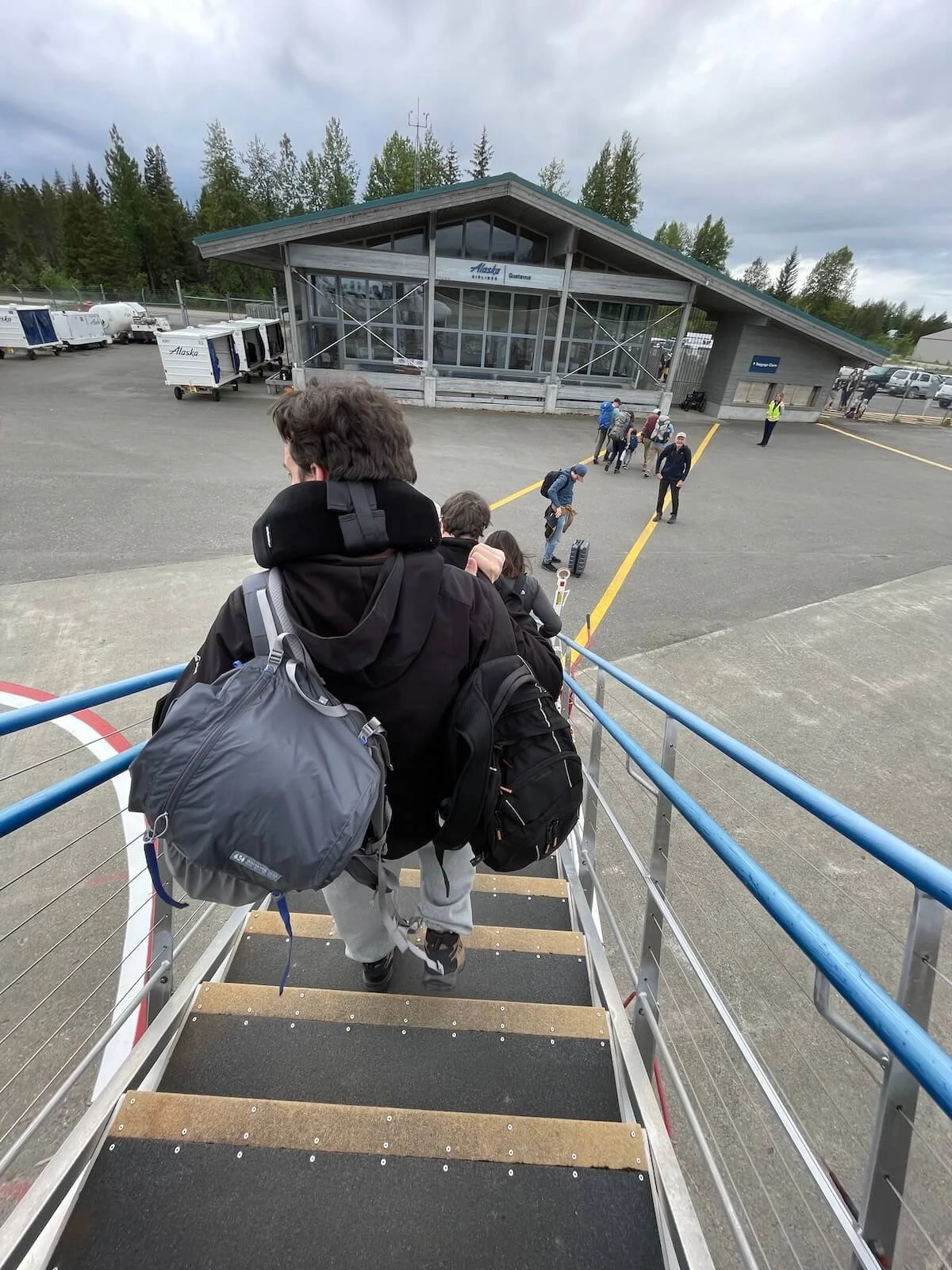
4. Pack one backpack each (plus a carry-on).
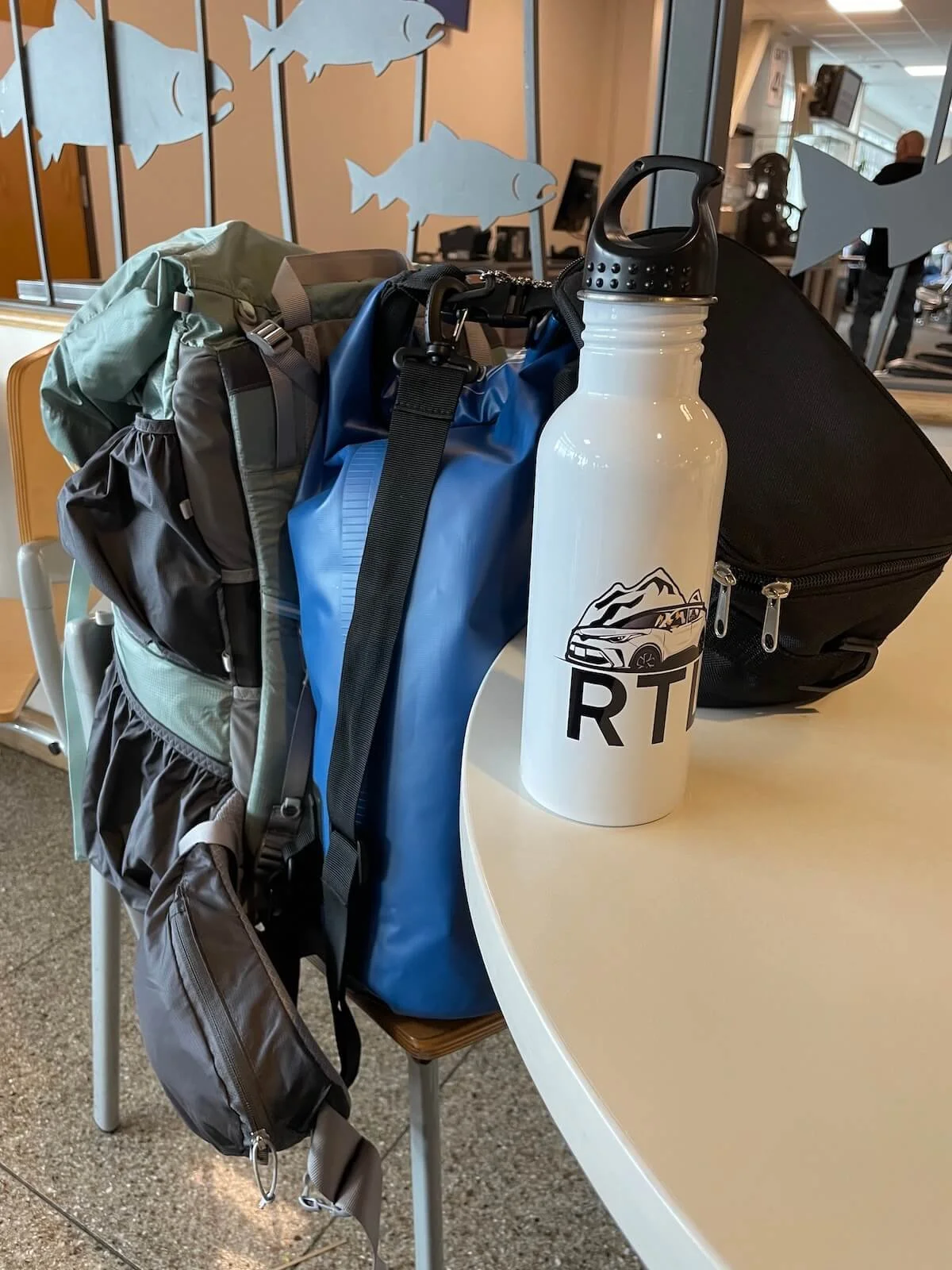
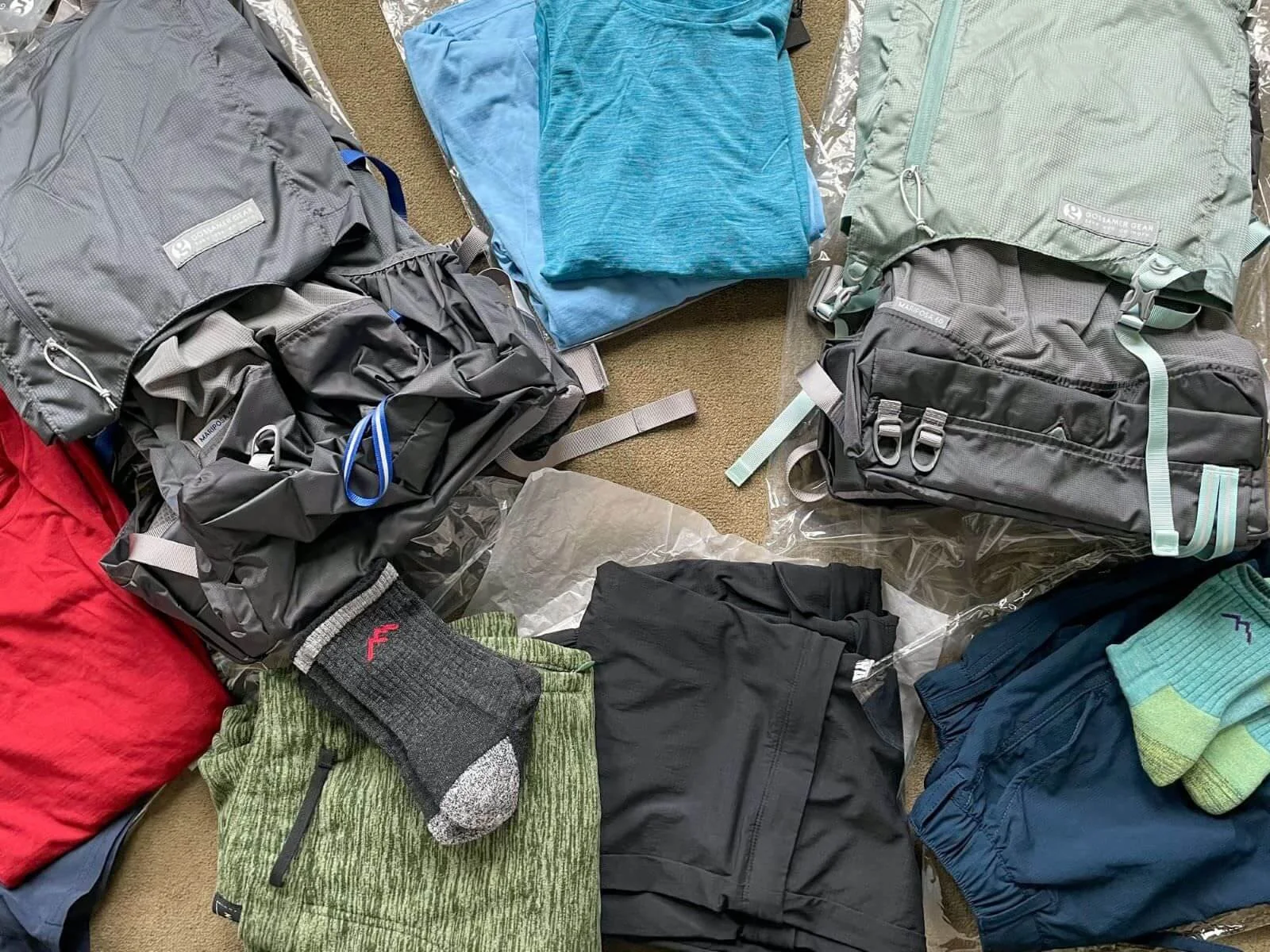
Knowing we'd constantly be moving between rental cars, hotels, campgrounds, ferries, and bush planes, we didn't travel with large suitcases and instead packed everything into a single Gossamer Gear 60 Mariposa Backpack each.
We also each brought one carry-on. Jon packed a traditional backpack, while I brought a waterproof dry bag because I knew we'd be spending time on the water. It ended up doubling as my daypack throughout the trip and was one of the best packing decisions I made. I also carried a small insulated medication bag to keep a refrigerated medication cold between doses.
If we were packing for this exact trip again tomorrow, we'd use the same setup without hesitation.
Our camping strategy
One question we spent a lot of time trying to answer before our trip was what to do about camping gear. Should we bring it from home? Rent it in Alaska? Ship it ahead?
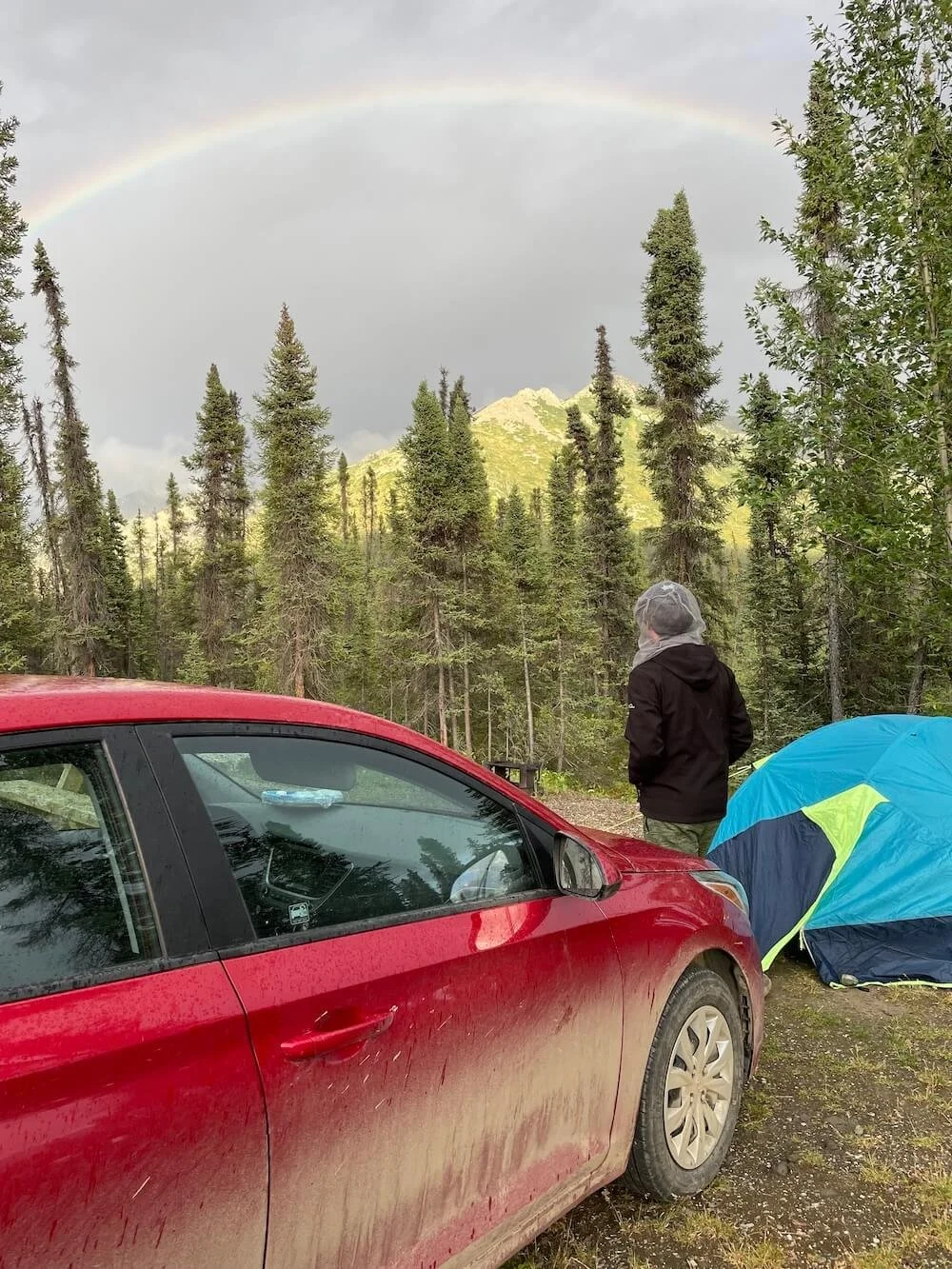
In the end, we realized the simplest solution was to buy inexpensive camping gear when passing through Anchorage. A quick trip to Walmart gave us everything we needed for camping north of the Arctic Circle and in Katmai without hauling bulky camping gear across the country.
At the end of the trip, we checked the tent on our flight home and donated the sleeping bags and most of the other gear before leaving Alaska.
For us, it was far easier (and surprisingly affordable) than flying with all of our camping equipment. We were only camping for about 5-6 days of our 21-day trip, so we were okay with a simpler setup.
The Best Summer Clothing to Pack for Alaska
This packing list is based on what we packed for our June-July Great Alaskan Road Trip.
Instead of packing a different outfit for every day, we packed versatile pieces that layered well and could be worn over and over again.
Here's what we packed and used.
Merino wool socks
If there's one item we recommend splurging on, it's merino wool socks. They're comfortable on long hikes, dry quickly, regulate temperature surprisingly well, and can be worn multiple days without getting smelly. We lived in ours throughout the trip.
Our favorite: We love Darn Tough because they don’t sag, dry quickly, and hold up day after day.
Merino wool T-shirts
Merino wool quickly became our favorite travel fabric.
Unlike cotton, it breathes well, dries quickly, and naturally resists odor, making it perfect for a multi-week Alaska adventure. We packed a handful of merino shirts and rotated them throughout the trip.
Our favorites: Unbound Merino and Ridge Merino
Lightweight hoodie
This was probably the hardest-working item in our suitcase.
We wore it on chilly mornings, layered it under our rain jackets, threw it on after hikes, and even used it for extra sun protection on boat tours.
Our favorite: The Ridge Merino Sun Solstice is our absolute favorite layering hoodie.
Comfortable hiking pants or trail shorts
Whether we were driving for hours, hiking, or wandering around small towns, lightweight hiking pants and trail shorts handled just about everything we threw at them.
Personally, we packed both and wore whichever made sense for the day's weather and activities.
Our favorites: I like Coalatree trailhead shorts. The convertible pants I wear are out of stock, but these are similar. Jon likes the Kuhl Kruiser shorts and Kuhl Supressor joggers. For warm joggers, I wear lined joggers from Athleta, while Jon loves the Coalatree Evolution joggers.
Fleece or lightweight insulating layer
Even during the summer, mornings and evenings were often cool enough that we appreciated having one warmer layer.
A lightweight fleece, hoodie, or insulated puffer jacket was more than enough for us and packed down easily when we didn't need it.
Waterproof rain jacket
This isn't the trip to dust off the old rain jacket that's been sitting in the back of your closet since high school. Trust me, we made that mistake and were practically laughed out of Alaska on our very first kayaking adventure.
It rains a lot in Alaska, and when it does, you'll want rain gear that's actually designed to keep you dry. A quality waterproof jacket also doubles as an excellent wind layer for glacier cruises, boat tours, and chilly mornings.
If you're shopping for a new rain jacket, GORE-TEX jackets are a great place to start. If you'll be spending a lot of time on the water, Grundéns also makes excellent waterproof gear that's built for Alaska's conditions.
Wind-resistant shell
Depending on your rain jacket, this might be the same item. If you have a quality waterproof shell, you may not need to pack a separate windbreaker.
Light rain pants
Rain pants are not something we wear very often, but Alaska is one place we're really glad we had them. They came in especially handy during rainy days in Katmai, along with kayaking, wet hikes, and any time we knew we'd be outside for hours without an easy way to dry off.
You don't need heavy-duty winter pants for a summer trip, but a lightweight waterproof pair can make a big difference when the weather turns.
The Best Shoes to Pack for Alaska
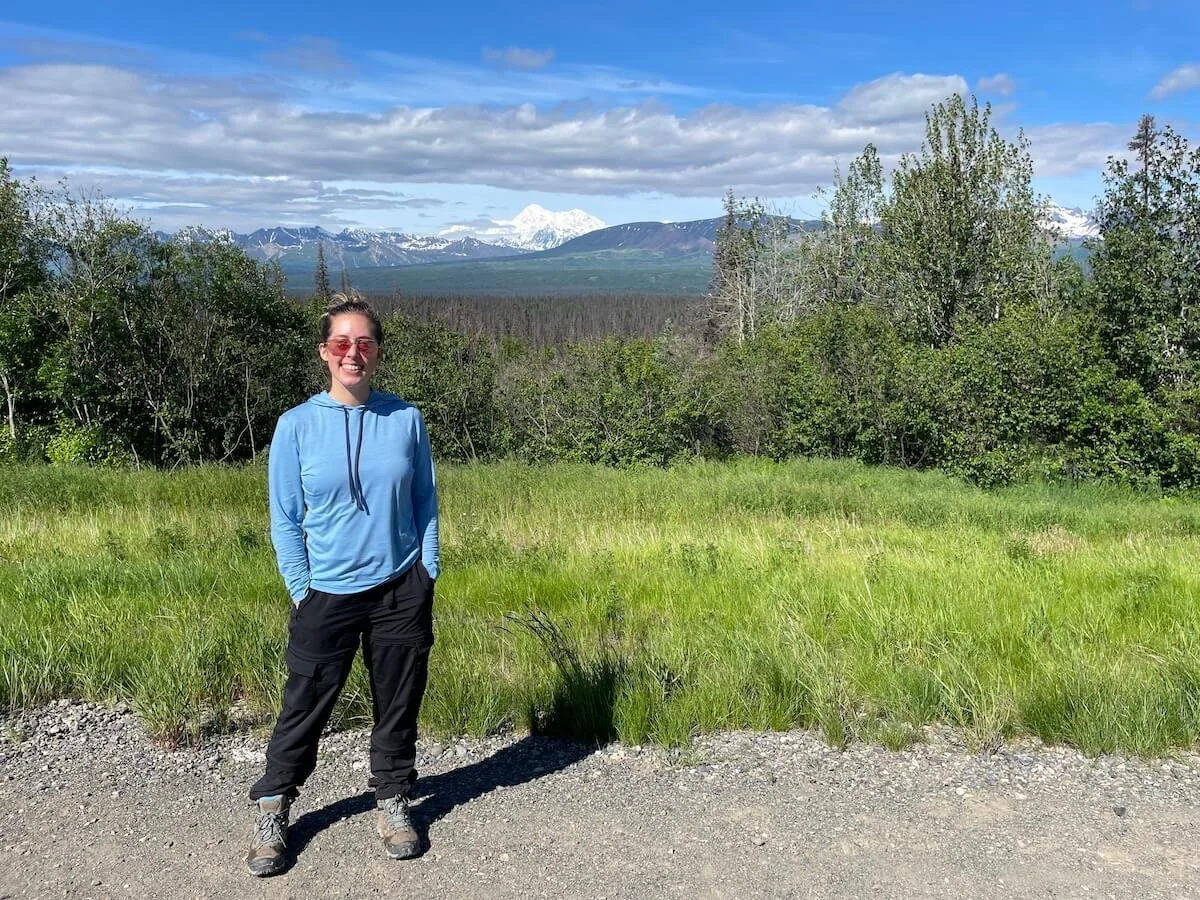
Footwear was one area where we intentionally kept things simple. For our entire Great Alaskan Road Trip, we each packed one pair of waterproof hiking boots and made them work for everything.
Would a second pair of shoes have been nice? Absolutely. But if you're trying to pack light, hiking boots were the one non-negotiable for us.
Waterproof hiking boots
If you're planning to hike, waterproof hiking boots are well worth the investment. We wore ours every day throughout the trip, and they handled everything from muddy trails and stream crossings to rocky terrain and glacier hikes.
By the end of our Great Alaskan Road Trip, we'd even managed to wear holes in our boots—a good reminder that Alaska can be surprisingly tough on footwear. (Jon grabbed a new pair at an REI in Anchorage.)
Our favorites: I wear La Sportiva boots for stability; Jon swears by his GORE-TEX boots.
If you have extra room...
If we had a little more space, we'd probably toss in a pair of comfortable tennis shoes for driving days and a lightweight pair of camp shoes or sandals for evenings around camp or the hotel. But if you're trying to pack light like we did, hiking boots alone are absolutely doable.
💡 RTL Tip: Alaska is hard on footwear. Whatever shoes you bring, make sure they're comfortable, well broken-in, and ready for adventure—not a brand-new pair you're hoping to break in on the trip.
Essential Alaska Travel Gear
These are the things we reached for again and again.
Polarized sunglasses
Between long days on the road, bright glaciers, and reflections off the water, a good pair of polarized sunglasses are an everyday essential.
Our favorites: My favorite are the Sunski Treeline Polarized Sunglasses because they reduce glare on roads, snow, and boardwalks, which makes driving and wildlife spotting easier; Jon loves the Justin Classic Ray-Ban Sunglasses.
Camera + zoom lens
We took thousands of photos throughout the trip, from grizzly bears catching salmon to glaciers, whales, moose, puffins, and some of the most beautiful landscapes we've ever seen.
Whatever camera you bring, don't forget a long lens, extra batteries, chargers, and memory cards.
Our favorites: We brought the Lumix G7, a Lumix lens for wildlife photography, a second charger, and extra memory cards.
Rain covers
Your camera will probably spend as much time outside as you do. Whether you use a dedicated rain cover or a simple waterproof bag in a pinch, having a way to protect your camera gear from Alaska's frequent rain is well worth it.
You might want to cover your luggage too. We used these rain covers for our Gossamer Gear bags.
Portable charger & car charger
Between Google Maps, cameras, and phones, our batteries disappeared fast. Having both a portable charger and a car charger meant we were never scrambling for power.
Brimmed hat & bug net
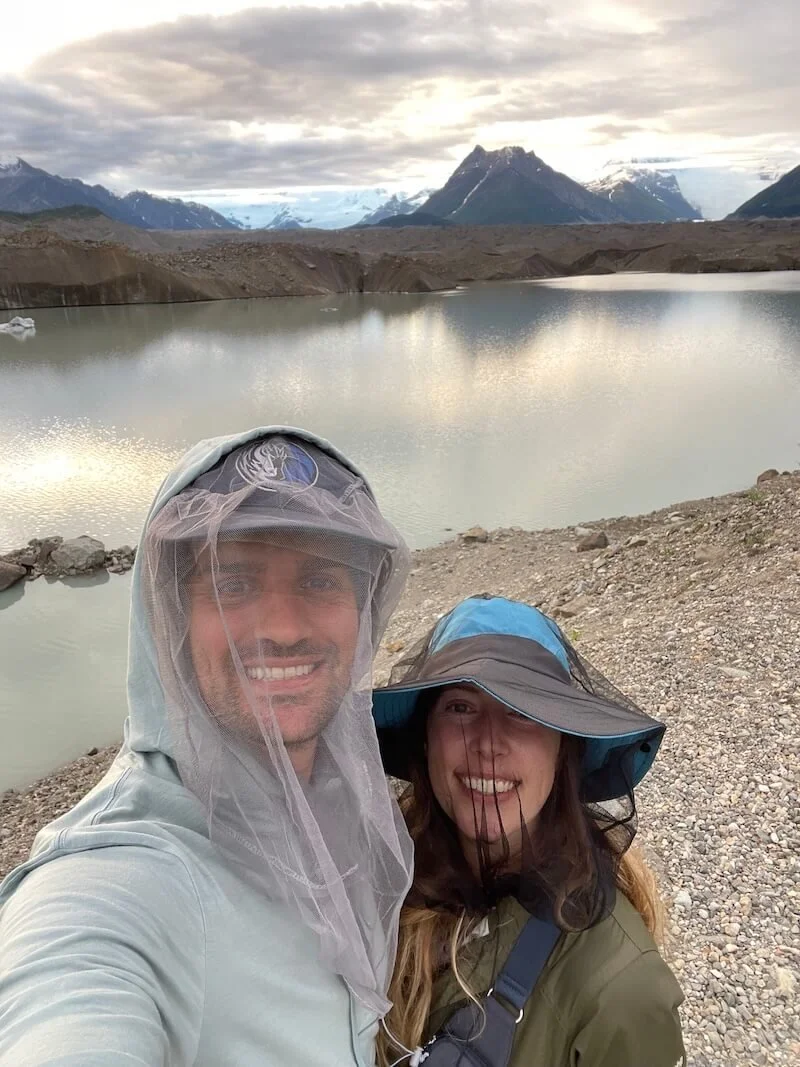
If you're planning to spend time hiking, camping, or wildlife watching in Alaska during the summer, don't leave home without a brimmed hat and a bug net.
The hat gives the bug net structure so it stays off your face, making it much more comfortable to wear for long periods of time.
Some days we barely touched ours. Other days, we wouldn't have wanted to be outside without it. They're lightweight, inexpensive, and one of the easiest ways to make buggy trails more enjoyable.
Silicone rings
Neither of us wanted to worry about losing or damaging our wedding rings while traveling. Silicone rings were an easy swap and gave us one less thing to think about.
Lightweight gloves, a buff, and earmuffs
Even in the middle of summer, we were glad to have a few cold-weather accessories, including lightweight gloves, buff, and earmuffs. They came in especially handy during chilly mornings, windy summits, glacier adventures, and boat tours.
Swimsuit
Whether soaking in natural hot springs, taking an unforgettable glacier pool plunge, or staying somewhere with a hot tub after a long day of exploring, we were glad to have a swimsuit with us.
Sleep mask
Alaska gets a lot of daylight during the summer. A sleep mask quickly became an essential, especially on nights when our accommodations didn't have blackout curtains.
Motion sickness medication
If you’re prone to motion sickness, it's worth planning for it. Especially if you’re planning bush plane or ferry travel.
Reusable water bottle & electrolytes
A reusable water bottle came with us everywhere. We also packed Liquid I.V. packets, which were nice to have after long hikes, travel days, and full days spent outdoors.
Basic medications
We packed Tylenol, allergy medication, any daily prescriptions, and a few basic first-aid supplies. If you take refrigerated medication like I do, don't forget to pack an insulated medication bag to keep everything at the proper temperature while traveling.
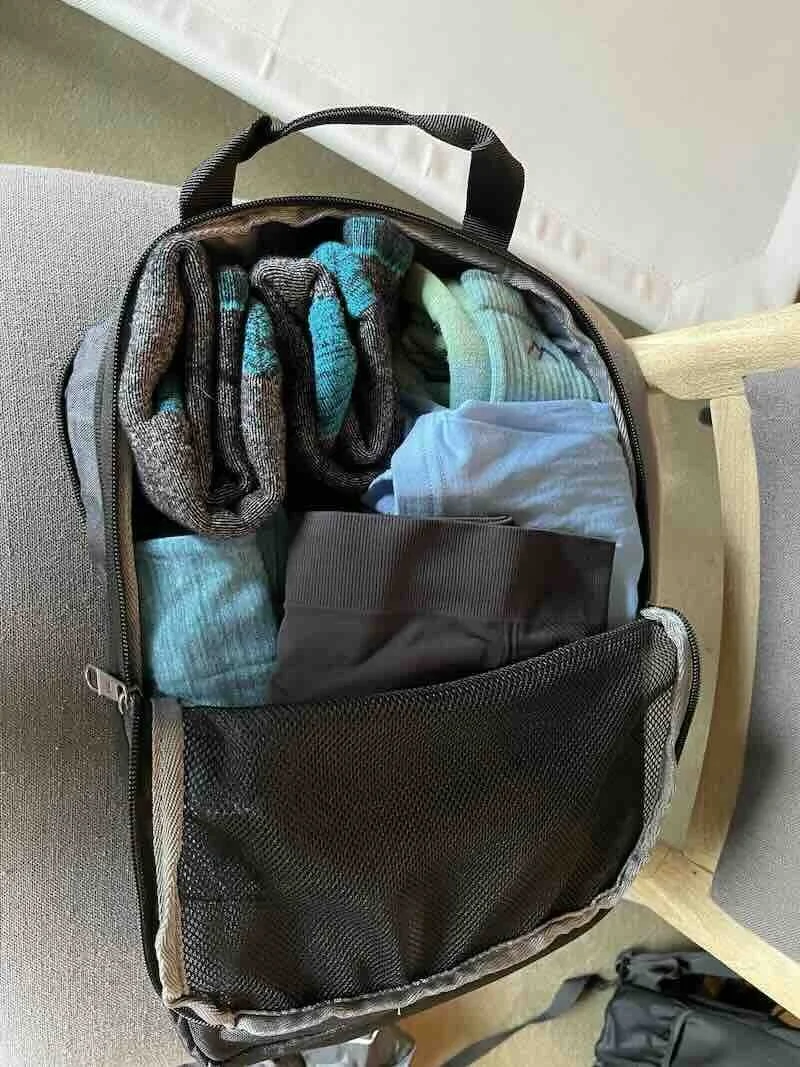
Packing Cubes
Packing cubes were a game changer! Because we were unpacking and repacking almost every day, it was incredibly helpful knowing exactly where everything lived. Instead of digging through our backpacks every morning, we could grab the cube we needed and be out the door in minutes.
We love these LeanTravel packing cubes for their sturdiness, these Amazon Essentials cubes as a solid budget pick, and the Well Traveled packing cubes as a good mid-range option.
Adventure & Hiking Gear
If your Alaska itinerary includes hiking, kayaking, glacier adventures, or visiting remote national parks, here are a few additional items we'd recommend packing.
Dry bag
My carry-on for the trip was a waterproof dry bag, and I’m glad it was. It doubled as my daypack during glacier cruises, kayaking trips, hikes, and rainy days while keeping my camera gear, electronics, and extra layers dry.
I also kept a quick-dry travel towel inside, which came in handy. In fact, it sealed the deal when Jon decided to jump into an ice-blue glacial pool in Wrangell-St. Elias National Park!
Bear spray
If you'll be hiking in bear country, bear spray is an important piece of safety gear. Rather than flying with it, plan to purchase or rent bear spray after you arrive in Alaska. Keep it somewhere easily accessible (not buried in your backpack) and take a few minutes to learn how to use it before heading out on the trail.
Headlamp
Summer days in Alaska are incredibly long, but a headlamp still came in handy around campgrounds, outhouses, and the occasional late-night adventure. It's small, lightweight, and a nice-to-have item.
Phone tether
Between wildlife encounters and sightseeing, I was reaching for my phone constantly. A simple wrist tether or crossbody phone strap gave me peace of mind that one accidental drop wouldn't send my phone into the water... or off the side of a mountain.
Our favorites: I use a simple wrist tether or crossbody phone strap for easy access to my phone for pictures and videos.
What We’re Glad We Packed
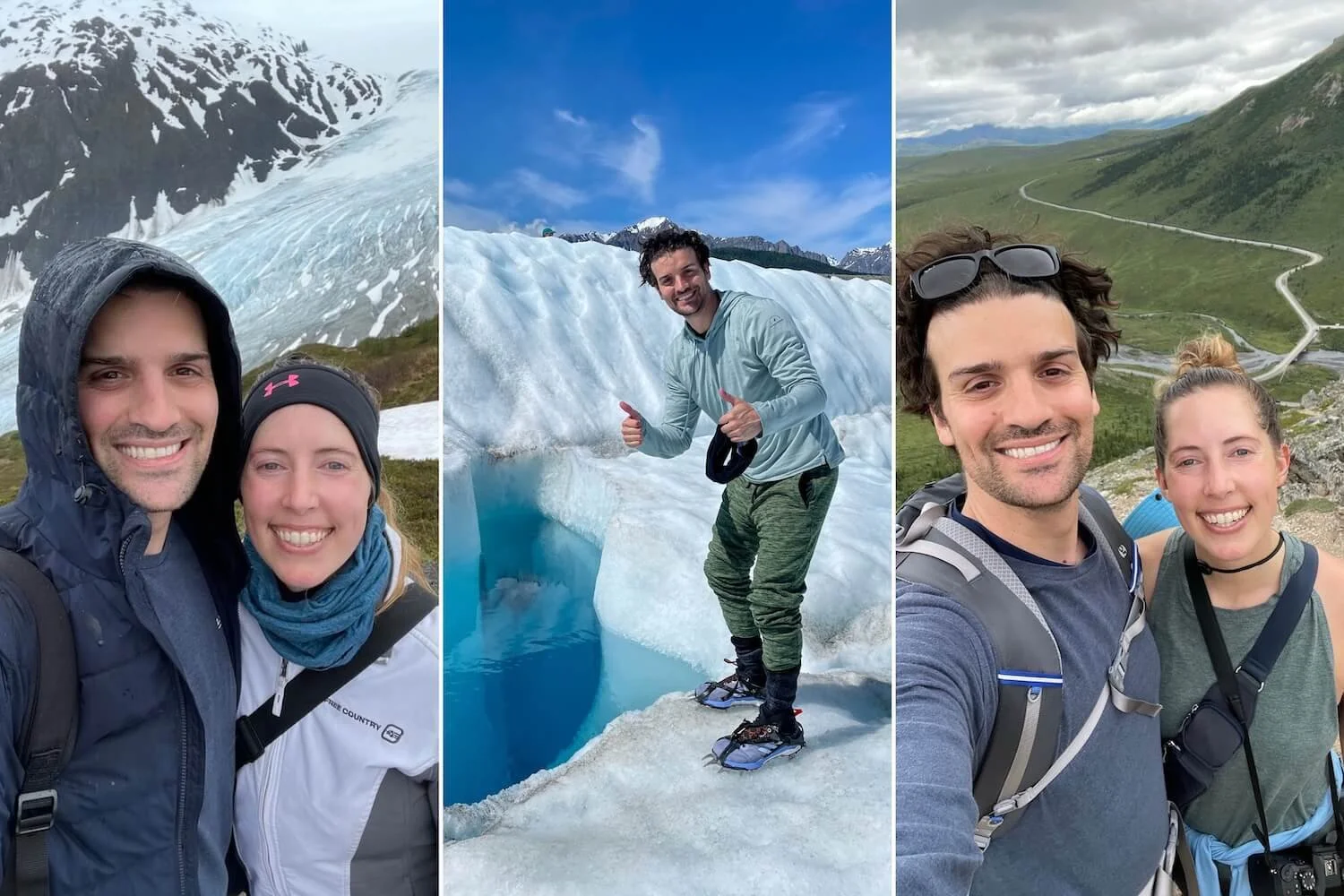
After three weeks and eight national parks, a few items clearly separated themselves from everything else. If we packed for this exact trip again tomorrow, these would all be coming with us.
Merino wool clothing
This was, hands down, the MVP of our Alaska packing list. Merino wool kept us comfortable through changing temperatures, dried quickly after getting wet, and let us rewear clothing between laundry stops without feeling gross. We don’t take trips without it anymore.
Waterproof hiking boots
Our boots took an absolute beating. Mud, rocks, glaciers, uneven trails... Alaska threw just about everything at them. By the end of the trip we'd even worn holes through parts of them. Sturdy waterproof hiking boots are a must if you’re planning a lot of outdoor exploration.
Lightweight luggage
When your luggage is constantly moving between destinations and different modes of transportation, every item (and pound) matters. We're really glad we packed light enough that moving from place to place never felt like a chore.
Extra socks
Sometimes it's the simplest items. After long hikes, rainy days, or getting your feet wet unexpectedly, putting on a fresh pair of socks feels incredible. If you're debating whether to throw in one more pair... do it.
What We'd Pack Differently Next Time
No packing list is perfect. Even after months of planning, there were still a few things we'd change after spending three weeks exploring Alaska.
Binoculars
This is probably the biggest item we wish we'd packed. Wildlife is one of the biggest reasons people visit Alaska, and there were so many moments when we wished we had binoculars for spotting bears, moose, Dall sheep, mountain goats, whales, sea otters, puffins, and countless other animals.
Our cameras were great for taking photos. Binoculars would have made the experience of simply watching wildlife even better.
Quality rain gear
Good rain gear is worth every penny in Alaska. We were lucky that some of our tours offered gear rentals for the day, but we’d invest more in this upfront next time. It rains a lot in Alaska and it’s worth being comfortable because the activities don’t stop when it does.
Before You Leave Home
A few of our most helpful packing tips actually had nothing to do with what went into our backpacks.
Print your reservations
Before leaving home, we printed every reservation, itinerary, and confirmation number for the trip. Cell service isn't always available in Alaska, Wi-Fi can be spotty, and many adventures involve multiple companies, transportation providers, and meeting locations. Having paper copies gave us one less thing to worry about.
Bring cash for tips (or use Venmo)
Many of Alaska's most memorable experiences involve incredible guides, pilots, boat crews, fishing guides, and tour operators. We found it easier to bring tip money with us.
Consider travel insurance
Alaska weather is unpredictable, and many itineraries involve flights, ferries, boats, or bush planes where delays and cancellations can and do happen. For a trip with this many moving pieces, we were glad to have travel insurance for the extra peace of mind.
FAQ: Packing for Alaska
Is this what you actually packed for Alaska?
Yes! Everything in this guide is based on what we packed (and used) during our Great Alaskan Road Trip, which took place over three weeks spanning late June and early July.
What should I pack for Alaska in the summer?
We recommend lightweight merino wool clothing, a quality rain jacket, waterproof hiking boots, and a warm mid-layer for cool mornings and evenings. Summer weather can change quickly, so it's much easier to add or remove layers than rely on one heavy jacket.
Do I really need a good rain jacket?
Absolutely. Alaska is one place where quality rain gear is worth the investment. You'll probably use it for rain, but you'll also appreciate it as a wind layer on glacier cruises, boat tours, and chilly mornings.
Is merino wool really worth it?
For a longer Alaska trip, we think so. Merino wool dries quickly, regulates temperature well, and resists odor, which meant we could comfortably rewear clothing between laundry stops. It helped us pack lighter without sacrificing comfort.
How many clothes should I pack?
Less than you probably think. We packed for about a week at a time and built laundry stops into our itinerary instead of packing for all 21 days. Between versatile layers and merino wool clothing, we were able to rewear many items and keep our luggage much lighter.
Planning an Alaska Trip?
Here are a few more resources to help you prepare for the adventure of a lifetime.
🏔️ All Things Alaska—Start here for everything we've learned about visiting Alaska's national parks.
📘 Alaska National Parks Travel Guide—Our complete step-by-step planning guide, with detailed itineraries (including the exact itinerary we followed to visit all 8 parks in one trip), route planning, practical advice, and everything you need to confidently plan an Alaska national parks trip.
📖 Alaska Diaries—Experience Alaska through immersive daily stories before experiencing The Last Frontier for yourself.
🛍️ Alaska Favorites on Amazon—Browse the exact gear, clothing, and travel essentials we recommend.