
How We Pack for a Month (or More) on the Road
Traveling for months at a time might sound like a dream, but it’s also one of the most practical ways to travel if you have the time or flexibility to work from the road. We’ve been taking month-long and multi-month road trips since 2019, balancing full-time work with full-time adventure. Over the years, we’ve learned what to pack for month-long trips and how to travel longer without burning out. Here’s how we pack for a month (or more) on the road.
Table of Contents
Affiliate Disclosure: When you click some of the links in this post and make a purchase, we may earn a small commission—at no extra cost to you. By using our affiliate and Amazon affiliate links, you’re getting the inside scoop on our favorite items and supporting Road Trip Locals at the same time. Thank you!
Why We Love Month-Long Trips
Month-long trips are our sweet spot for travel. They give us enough time to sightsee and explore without feeling rushed, but not so much time that we start putting off activities.
Staying somewhere for a few weeks also changes how we travel. We start to get to know a place. We find the local restaurant we eat at every Sunday. We figure out the best time to grocery shop or where to grab our favorite coffee. We hike trails we’d never have time for on a short trip. It’s a slower, steadier way to travel that ends up being more sustainable, affordable, and meaningful.
A month-long road trip isn’t realistic for everyone, especially if you can’t work remotely. But for anyone with flexibility, it is one of the best ways to see more of the country without feeling like you are constantly packing up and moving on.
The Perks of Traveling for a Month
1. You Save Money
Longer stays almost always lead to better nightly rates. Most short-term rentals offer weekly or monthly discounts, and those savings can add up quickly when you’re traveling for several weeks at a time. Between Airbnb and Vrbo, we’ve found Airbnb usually has the best month-long deals, especially for stays of four weeks or more. Longer bookings also help spread out one-time costs like cleaning or service fees, which feel much more reasonable when averaged over 30 days instead of just a weekend.
Heads up: If you’re booking a month-long stay on Airbnb, pay close attention to the cancellation policy. Most hosts use stricter policies for longer stays, and cancellations are often nonrefundable after 48 hours, so it’s best to book only when your plans are firm.
Hotels can also be a great value for long stays. Many offer discounted rates for extended bookings and include perks that make travel easier, like free breakfast, housekeeping, fitness centers, and more flexible cancellation options. For our 2023 Travel Season, we started choosing hotels more often for longer trips and loved the experience. Living out of a hotel for a month in Calgary gave us all the conveniences of home, plus the reliability and consistency that make long-term travel feel simpler.
2. You Feel More Connected
Month-long trips give us time to slow down and notice more. You’re not just driving through towns and checking off highlights. You’re actually living there for a while. You start to recognize familiar faces at the grocery store, figure out which cafe has the best coffee, and find the trail that’s perfect for a quick after-work hike. It’s a different kind of travel that’s less about squeezing everything in and more about settling in and seeing what everyday life is like in a new place.
Staying somewhere for an extended period of time also makes travel more practical. You can cook more, rest more, and spend less time packing up the car. You discover small efficiencies that make longer trips feel more sustainable, from finding local laundromats to knowing which restaurants have the best weekday specials.
For us, month-long road trips have made the country feel smaller in the best way. We’ve lived for a month in Kanab, Utah, exploring red rock trails and desert drives; in Campton, New Hampshire, where we chased fall foliage throughout the state; and in Gardiner, Montana, where our daily “commute” included regular elk crossings. Each stay helped us understand what it’s really like to live in these places, not just visit them. That’s the kind of insight and connection that only comes from staying put long enough to become part of the local rhythm, even if it’s just for a few weeks.
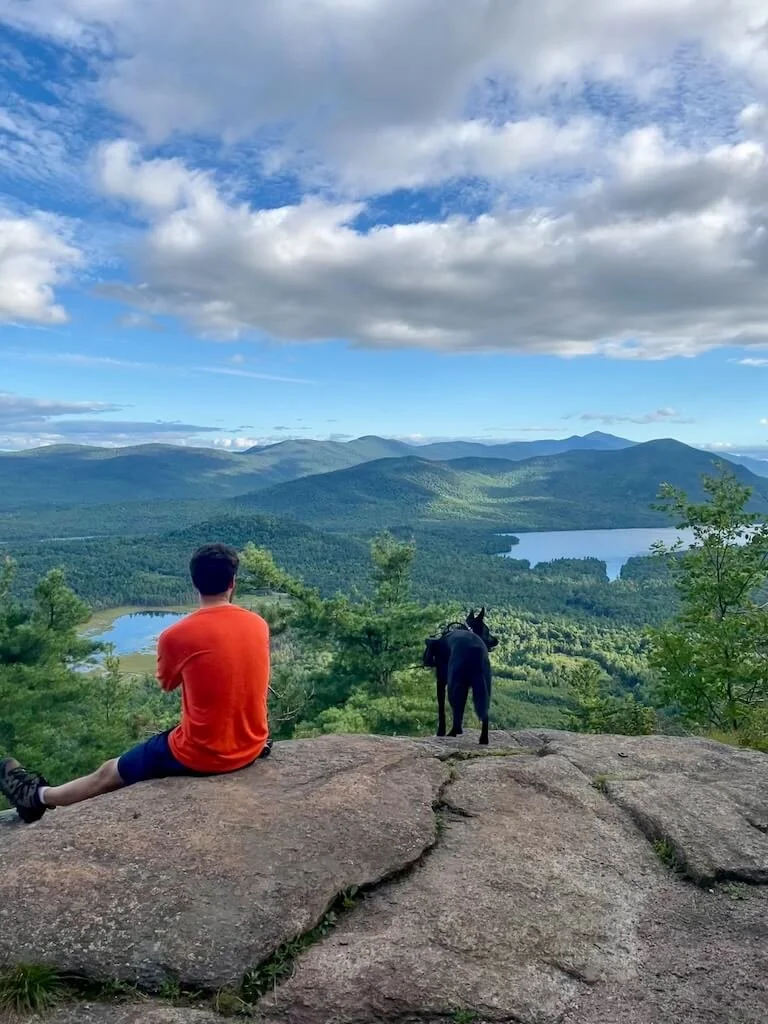
This short but steep trail became our favorite way to workout while spending three weeks in Au Sable Forks, NY.
Month-Long Trip Packing List
You’ll still need your road trip basics, but for month-long travel, you also want to focus on versatility:
Layers you can re-wear and mix-and-match (merino wool layers are our favorite for road trips)
Laundry access (Airbnb washer/dryer or nearby laundromat)
Portable workspace gear if you’re working remotely, including lightweight laptop (plus its charger), travel laptop backpack, portable monitors, foldable laptop stand, ergonomic mouse, ergonomic keyboard & docking station, mouse pad, computer glasses & travel case, and headphones
Compact kitchen essentials like reusable utensils and coffee gear
Here’s what else we pack for month-long trips in specific:
Pillows & Pillow Carriers: We take our pillows from home everywhere with us. These pillows are our all-time favorite brand and we use these pillow carriers to keep them clean and packable. This is a non-negotiable for long trips because pillows make such a big difference in how we sleep on the road.
“Bed in a Bag”: It’s exactly what it sounds like: one bag packed with everything we need for a bed on the go. Ours most often includes king-size sheets, a weighted blanket, quick-drying towels, an eye mask, and a portable white noise maker (this is game-changing for light sleepers!!!). Our sleep set up is important to us when we’re roadtripping for months at time because we’re not just traveling through these places, but really living in them. We want to be comfortable and feel at home, even on the road.
Laundry Bags & Detergent: We bring Molly’s Suds so we don’t have to buy pods or detergent on the road. Laundry bags double as a dirty clothes hamper and keep clothes organized.
Quick-Drying Towels: We love these quick-drying towels for everyday use, hiking, and swimming on the road. They pack small and dry fast. We’ve used the various sizes for hand towels, bath towels, and travel towels.
Gorilla Bow Travel: This packable strength-training set is helpful for road trips when gyms aren’t guaranteed. It’s light, portable, and works anywhere.
👉 Check out our complete Road Trip Packing List for a detailed breakdown of absolutely everything we bring on road trips!
Where to Stay for Month-Long Travel (and How to Book It)
You can enjoy a month-long road trip using short-term rentals, campsites, or hotels. Any of these, or a mix of all of them, can work really well depending on your travel style, budget, and priorities. Over the years, we’ve booked everything from extended Airbnb stays to long hotel stretches through loyalty programs, and each has its perks.
Short-Term Rentals (Airbnb and Vrbo)
If you like the comforts of home, short-term rentals are often the best fit. You get a kitchen for cooking, more space to spread out, and often a washer and dryer for laundry. These things make a big difference when you’re traveling for weeks at a time! We’ve found that longer stays (four weeks or more) usually qualify for weekly or monthly discounts, which can help offset higher nightly rates.
When it comes to booking, timing matters. Many Airbnb listings open exactly 12, nine, or six months to the day of your planned check-in and check-out dates, so if you’re looking for a specific window, that’s the best time to start searching. We’ve also had luck looking three months in advance depending on the season and destination.
Before booking, spend a little extra time digging into the listing details:
Look through photos for a dedicated spot to work, especially if you’ll be logging in remotely. A real table and chair make a huge difference compared to balancing a laptop on a coffee table.
Search the reviews for mentions of Wi-Fi. If it isn’t clear, message the host and ask about internet speeds or whether the Wi-Fi is strong enough for video calls if that’s something you’ll need.
Check for laundry access. If there isn’t a washer and dryer in the unit, make sure there’s a laundromat nearby. Being able to wash clothes easily keeps packing simple and makes long stays feel more manageable.
Read the cancellation policy carefully. Many long-term listings have stricter policies, which is understandable, but you’ll want to make sure your plans are set before booking.
Hotels and Loyalty Programs
In 2023, we started leaning toward hotels for our longer stays, and it’s been a great switch. Hotels offer more flexibility with cancellations, which is helpful if your plans change. You’ll also get amenities that make longer travel easier: free breakfast, housekeeping, reliable Wi-Fi, and access to gyms or business centers.
If you travel multiple times a year, loyalty programs like Marriott Bonvoy (our personal favorite) can help stretch your budget further. The more you stay, the more points you earn toward free nights and elite status perks. Sticking with one chain also helps with consistency, since you’ll know what to expect from property to property.
Our Rule of Thumb for Long Stays: If you’re staying somewhere for a month or more, comfort and convenience matter more than charm alone. (But the best is all three!)
Look for reliable Wi-Fi, laundry access, a functional kitchen, and a comfortable workspace. These small details are what turn a place to sleep into a place you can actually live. We’ve learned that the prettiest rental isn’t always the most practical, and the listings that check every “Instagram-worthy” box sometimes overlook the details that matter most once you move in. A fast internet connection, solid heating or air conditioning, a real dining table that doubles as a workspace, and a place to do laundry will make your stay infinitely easier. (Although if we’re being honest, the best stories come from the places that were missing at least one of these 😂)
You might also need to broaden your search area to find a property that fits your long-term needs and budget. Rentals just outside major tourist zones often have better rates, more space, and quieter surroundings, which can make a big difference when you’re living there for a few weeks. Staying slightly outside the main hub usually means you’ll get to know a side of the area most visitors miss: the local grocery store, the neighborhood coffee shop, the park where everyone walks their dogs in the morning.
When you find the right balance between comfort, convenience, and location, a temporary stay starts to feel like real life in a new place. That’s the difference between feeling like a visitor and feeling like you actually lived there for a while.
Best Marriott Hotel Brands for Longer Stays
Marriott has several brands designed for extended travel. We’ve stayed in a mix of these over the years and found they make long-term travel feel easier and more comfortable. Here are our favorites.
Element Hotels: Our top pick for long stays. A modern, eco-focused brand built for longer stays. Rooms have full kitchens, open layouts, and spacious work areas, and many locations include evening social hours and free breakfast. It’s a great fit if you want a fresh, upscale feel while still keeping your travel routine simple.
Residence Inn by Marriott: Suites include full kitchens, separate living and sleeping areas, and space to spread out. Most locations offer free breakfast, laundry facilities, and on-site fitness centers, making them a great home base for weeks at a time.
TownePlace Suites by Marriott: A practical, budget-friendly option for extended travel. Rooms include kitchenettes, desks, and plenty of storage space. TownePlace Suites properties tend to be pet-friendly, which makes them ideal if you’re road-tripping with a dog.
StudioRes by Marriott Bonvoy: One of Marriott’s newest brands, created specifically for long-term travelers. These properties focus on smart, efficient design, like kitchenettes, on-site laundry, and comfortable workspaces without extra frills. Perfect for road trippers who value practicality and convenience.
Homes & Villas by Marriott Bonvoy: Think of this as Airbnb meets Marriott. If you prefer something that feels more like a house or apartment, Homes & Villas offers professionally managed vacation rentals under the Marriott umbrella. You’ll find everything from cabins to condos, all bookable with Bonvoy points. Heads up: We’ve found one or two great options on Homes & Villas over the years, but most often, these homes are a bit too pricey and out of our budget.
How to Plan a Month-Long Road Trip
When you’re traveling for a month or more, planning isn’t about cramming in as much as possible. It’s about finding a pace that lets you explore without feeling rushed. Long trips have worked best for us when we strike a balance between stability and spontaneity, i.e., having a home base where we can settle in, but enough flexibility to go explore what’s nearby.
Here’s how we plan our month-long trips:
1. Choose a region or theme.
Start broad. Think about what type of scenery, weather, or activities you want for that season. We often plan by region—like the Southwest, the Rockies, or fall in New England—so our destinations are close enough to reach by car without feeling like we’re constantly in motion. Sticking to one region also helps with logistics like weather, driving times, and packing.
2. Build a loose route with your must-see spots.
Map out the main places you want to experience and any can’t-miss attractions or national parks nearby. We’ll usually circle a handful of key stops on Google Maps first, then use those as anchors for choosing our longer stays. The idea is to group destinations so that your drives between activities are short and enjoyable, or at least can work together to form a mini road trip.
3. Pick one or two main bases.
For a month-long trip, we like to choose one or two home bases where we stay at least two weeks each. This gives us time to settle in and experience the area like locals. It also saves time and money by reducing the number of check-ins, cleanings, and travel days.
When you’re working remotely, having a consistent home base is key. That stability helps balance the travel energy with regular life.
4. Plan mini road trips and day trips from your base.
Our favorite way to make long stays exciting is to plan shorter adventures around them. From each base, we’ll take mini road trips, day hikes, or weekend getaways to explore the region. For example, during a month in Kanab, Utah, we spent weekdays working and exploring nearby trails, then used weekends to drive to Zion, Bryce Canyon, and the North Rim of the Grand Canyon.
This approach gives you the best of both worlds. You still see plenty of new places, but you don’t have to pack and unpack constantly. You can travel light for a weekend, then come back to a place that feels familiar and comfortable. As another example, while staying for a month in Calgary, we took a weekend getaway to camp in Glacier National Park of Canada. We kept most of our belongings in the hotel in Calgary, but packed just what we needed for a weekend hiking and car camping in Glacier. It was awesome!
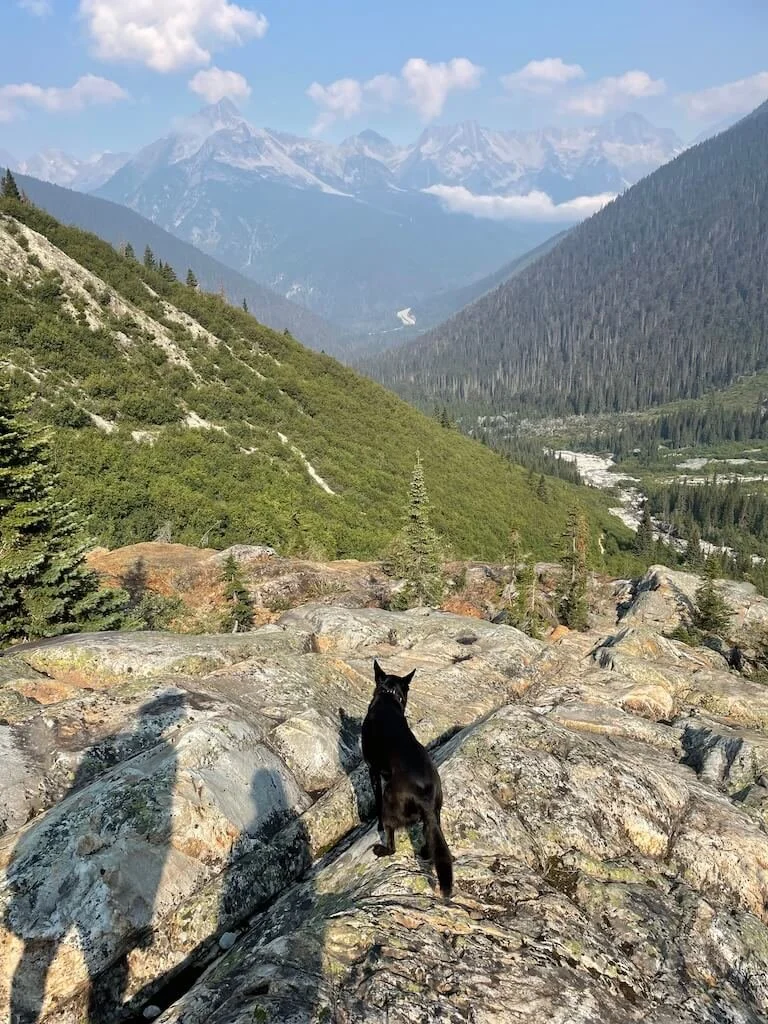
Glacier National Park of Canada
A Month-Long Travel Mindset
Traveling for a month or more at a time requires a different mindset than a typical vacation. You’re not just passing through an area. You’re living there for a little while and making it part of your daily life.
Over the last few years, Jon and I have learned that we love change, but we also love stability. Traveling while working gives us both. Half the year, we’re home in one place. The other half, we’re on the road, living and working from new destinations across the country. That mix gives us the consistency we need and the adventure we crave.
However, working from the road can also be a full schedule. You’re balancing a full-time job with what often feels like full-time travel. That can be tiring, especially when you’re packing weekends with sightseeing and adventures. It helps to go into it knowing that the balance will take effort. The key is to plan for both activity and rest.
We’ve learned that we get more out of long trips when we build in rest days. On our third year of multi-month trips, we started planning “off days” in advance to take the guesswork out of when to slow down. For us, that means staying in on Mondays and Wednesdays to cook, relax, or watch a show. No sightseeing, no errands, no big plans. Those slower days keep us grounded and help make long stretches of travel sustainable.
It’s also important to remember that you don’t have to explore every night. It’s okay to spend an evening catching up on work, ordering takeout, or watching movies. It’s okay to go back to the same restaurant more than once. Long-term travel isn’t about doing everything. It’s about finding a pace that feels natural.
If you’re planning to work and travel for an extended time, think of each destination as a temporary home, not just a trip. Create small routines, find a few favorite local spots, and give yourself permission to rest when you need it. This has actually become our favorite thing about how we travel now: we get to experience what it’s like to live in so many different places each year.
The beauty of long-term travel is that it lets you feel both on vacation and at home everywhere!
More on Road Trip Locals
🌎 Curious where we’ve been around the U.S. and Canada? Browse our Travel Seasons for real-life itineraries and practical tips from months spent living and working on the road.
🧳 Want to know what else we pack? Check out our complete Road Trip Packing List for the exact things we use and love on every trip!
📚 Ready to plan your next adventure? Explore our Free Resource Library for road trip itineraries, planning guides, and stories from the road.
🐻 In the mood for adventure? Read Alaska Diaries, a seven-part travelogue from the time we spent 21 days road tripping through Alaska on a mission to visit all eight of its national parks in one trip.
🏡 Wondering what it’s like to buy a fixer-upper just outside Yellowstone National Park? Follow along with Cabin Chronicles.
🦬 And if Yellowstone’s on your list, don’t miss our Yellowstone Travel Guide: your step-by-step companion to planning an unforgettable trip to Yellowstone National Park!