
What Is Yellowstone’s Northern Range? Plan a Self-Guided Tour
Yellowstone’s Northern Range stretches from Gardiner and Mammoth Hot Springs through Tower-Roosevelt, Lamar Valley, and toward Cooke City near the Northeast Entrance. It’s one of the best areas in Yellowstone for wildlife watching and one of the few parts of the park accessible year-round.
Unlike Yellowstone’s geothermal-heavy interior, the Northern Range is more open and easier to scan for wildlife. Much of the drive follows broad valleys, river corridors, grasslands, and rolling hills rather than dense forest, which is one reason animals are spotted so consistently here.
Most people come to Yellowstone for the first time expecting geysers and hot springs. Then they drive through Lamar Valley at sunrise, get stuck in a roadside bison jam near Tower, or spend an hour watching wildlife through spotting scopes with a crowd of strangers pulled off beside the road. The Northern Range is usually the Yellowstone people discover after they arrive, and it’s one of the areas that draws return visits year after year.
The experience along the Northern Range feels very different from the rest of the park. Days are less centered around parking lots and boardwalks and more centered around driving slowly, watching the landscape, and paying attention to what’s happening around the next bend.
We’ve spent years exploring Yellowstone in every season, and over time, the Northern Range has become one of the areas we return to most often. In this guide, we’re breaking down how to plan a self-guided Northern Range day, what to expect along the drive, where wildlife activity tends to concentrate, and how this part of Yellowstone changes throughout the year.
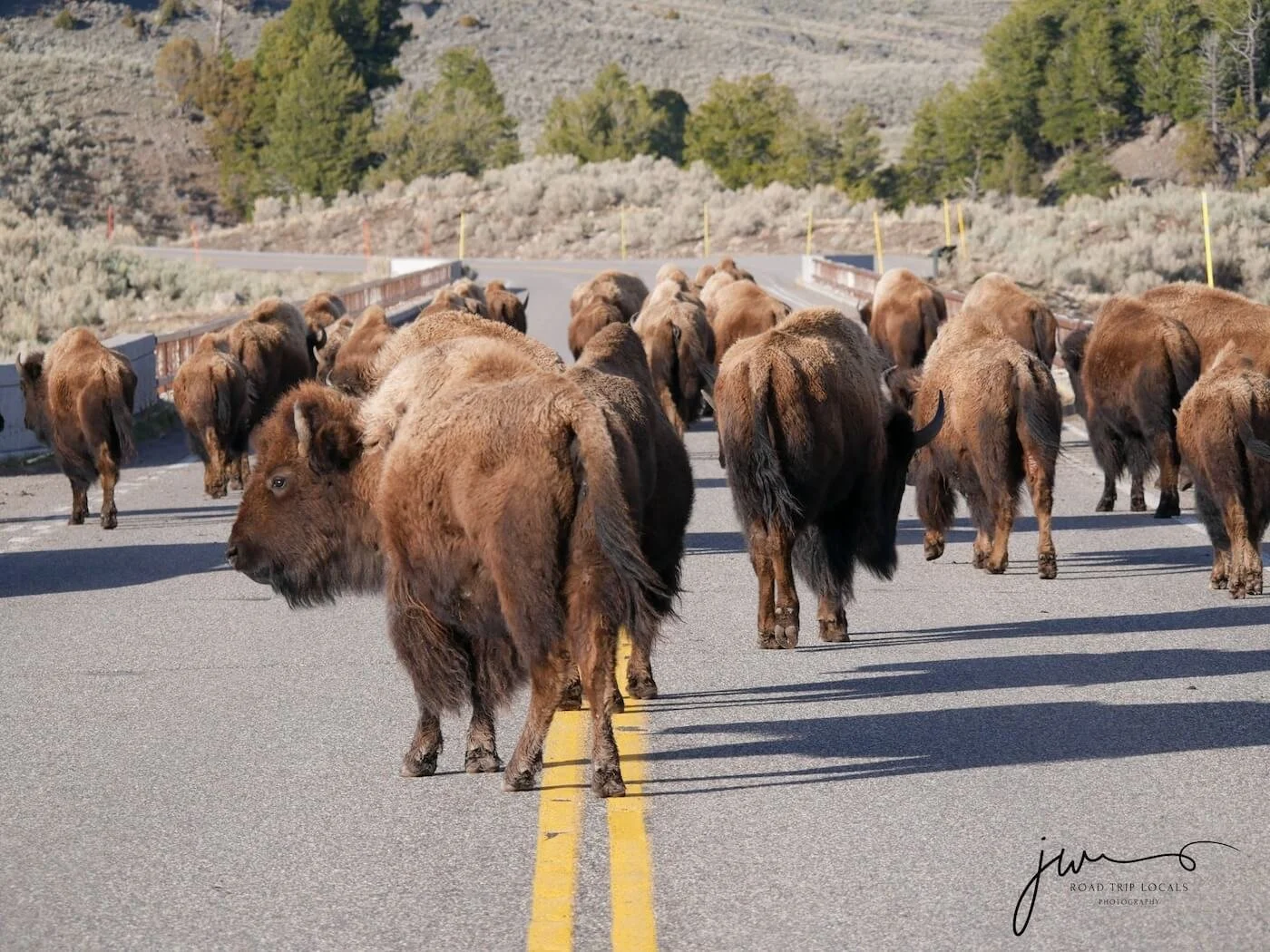
Table of Contents
👋 Meet Your Guides: We're Jonathan and Kelly, and we love Yellowstone National Park. So much so that we've been a dozen+ times, bought fixer-upper cabins outside Yellowstone’s North Entrance, and are turning an old park ranger hut into year-round Christmas magic. Now, we’re on a mission to make Yellowstone simpler and more magical for everyone who visits!
📚 Want our best Yellowstone tips in one place? Check out our Yellowstone Travel Guide, packed with maps, itineraries, and everything you need to explore year-round.
🏡 Visiting Yellowstone’s North Entrance? Explore the Cozy Yellowstone Compound in Gardiner, our small collection of cabins near Yellowstone’s only year-round entrance.
What Is Yellowstone’s Northern Range?
Yellowstone’s Northern Range refers to the northern section of the park stretching from Gardiner to Mammoth Hot Springs to Tower-Roosevelt, through Lamar Valley, and toward Cooke City near the Northeast Entrance.
This region stays accessible to self-driving year-round, which makes it especially important during Yellowstone’s off-season and winter months when most interior roads close.
It’s also one of the best wildlife watching areas in the park. One of the biggest reasons wildlife viewing is so good here is the landscape itself. The Northern Range is more open than much of Yellowstone’s interior, with rolling hills instead of dense lodgepole pine forest. Animals are simply easier to spot here.
The Northern Range also sits at lower elevation than many parts of Yellowstone, which helps wildlife remain more active and accessible throughout colder months. Bison, elk, wolves, coyotes, foxes, bears, pronghorn, mule deer, bald eagles, and bighorn sheep are all commonly seen year-round.
Why the Northern Range Feels So Different From the Rest of Yellowstone
Most first-time Yellowstone itineraries revolve around geothermal attractions like Old Faithful, Grand Prismatic Spring, Norris Geyser Basin, Canyon Village, and Yellowstone Lake.
The Northern Range works differently. Wildlife viewing and scenic driving become part of the attractions themselves.
A normal morning along the Northern Range might involve:
getting caught in a bison jam in Lamar Valley (this happens when a herd of bison takes over the road and traffic stops completely)
strolling the Mammoth Hot Springs terraces, or watching elk grazing near Mammoth
crowds gathered around spotting scopes, looking at grizzly bears or wolves
This part of Yellowstone also changes dramatically throughout the year. Spring is one of the best times for bears, baby animals, and active wildlife throughout the valleys.
Summer brings longer daylight hours, large bison herds, active roadside wildlife, and easier access to the rest of the park.
Fall shifts heavily toward elk rut activity, cooler mornings, changing vegetation, and thinner traffic after Labor Day.
Winter changes things even further. Once interior park roads close, the Northern Range becomes the only drivable section of Yellowstone, concentrating both wildlife activity and visitor traffic between Gardiner and Cooke City.
Planning a Self-Guided Northern Range Tour
One of the best ways to experience the Northern Range is by dedicating an entire day to driving it slowly.
Many visitors underestimate how long this route takes. On paper, the distances between Gardiner, Mammoth, Tower, and Lamar Valley do not look especially large. In reality, wildlife sightings, traffic slowdowns, weather, road conditions, and frequent pullouts naturally stretch the day.
It’s very normal to spend an entire day in Lamar Valley without covering huge mileage. Here’s how we’d plan our self-guided tour.
Stop 1: Gardiner and the Roosevelt Arch
We suggest beginning your Northern Range day in Gardiner, Montana, just outside Yellowstone’s North Entrance. Gardiner is one of Yellowstone’s gateway towns, the only one open year-round. Elk regularly walk around town, the Yellowstone River cuts directly through town, and mountains rise from town in nearly every direction.
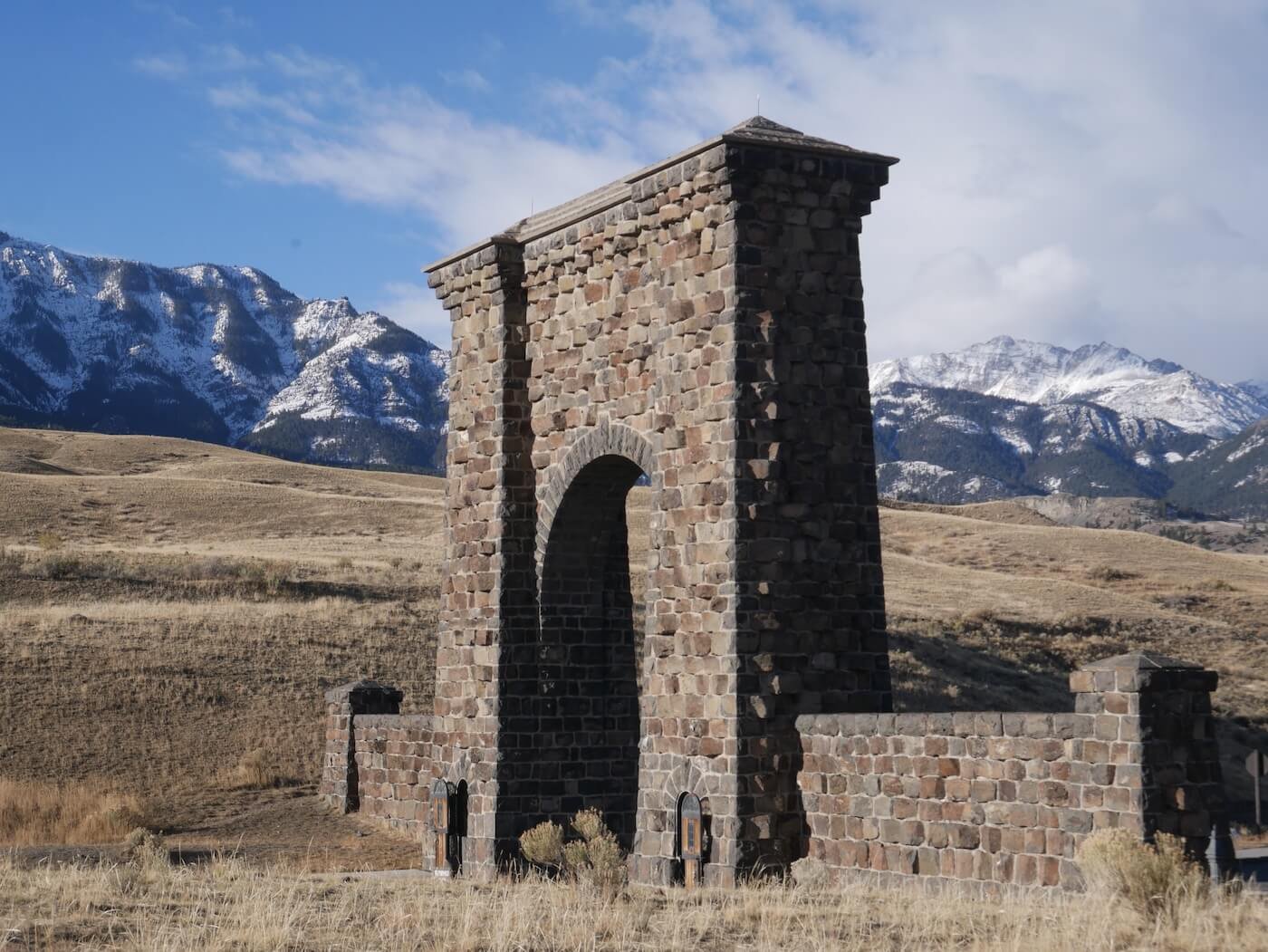
Before entering the park, consider a quick stop at Roosevelt Arch, Yellowstone’s historic stone entrance completed in 1903. Take a couple of photos with the both the arch and Yellowstone’s welcome signs.
From there, the road climbs through Gardner Canyon toward Mammoth Hot Springs. Wildlife sightings often begin immediately after entering the park, especially during early morning and evening hours.
Look for mule deer, elk, and pronghorn antelope right away.
Stop 2: Mammoth Hot Springs
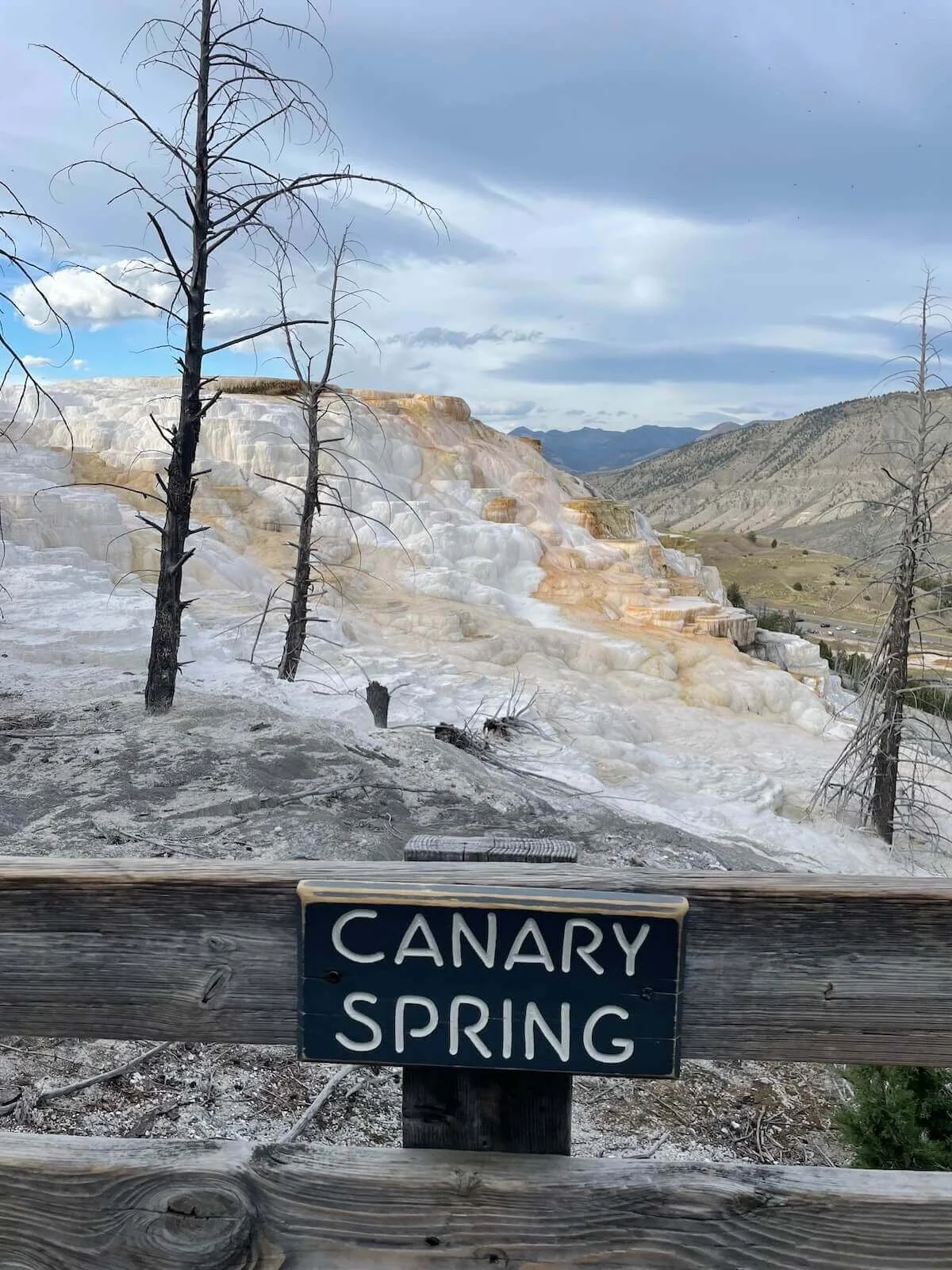
Mammoth Hot Springs is usually the first major stop along the Northern Range. Mammoth is known for its large travertine terraces formed by hot water flowing through limestone. The landscape here looks very different from Old Faithful, Norris, or West Thumb Geyser Basins.
We recommend:
walking the Lower Terrace boardwalks
driving the Upper Terrace Loop
stopping at overlooks
exploring the Albright Visitor Center
having lunch at the Mammoth general store or dining room
watching elk or bison wander directly through developed areas
Mammoth functions as one of Yellowstone’s main operational hubs year-round.
Stop 3: Blacktail Plateau and Tower-Roosevelt
The stretch between Mammoth and Tower-Roosevelt is one of the best wildlife watching sections along the Northern Range, especially during spring and early summer. It’s worth slowing down and watching the hillsides carefully, because this is one of those areas where you truly never know what you’ll spot around the next bend!
Keep your eyes peeled for:
elk
mule deer
bison
wolves
black bears
grizzly bears
foxes
coyotes
bald eagles
hawks
owls
bighorn sheep
Once you reach Tower-Roosevelt junction, you can turn left for Lamar Valley or continue toward Tower Fall.
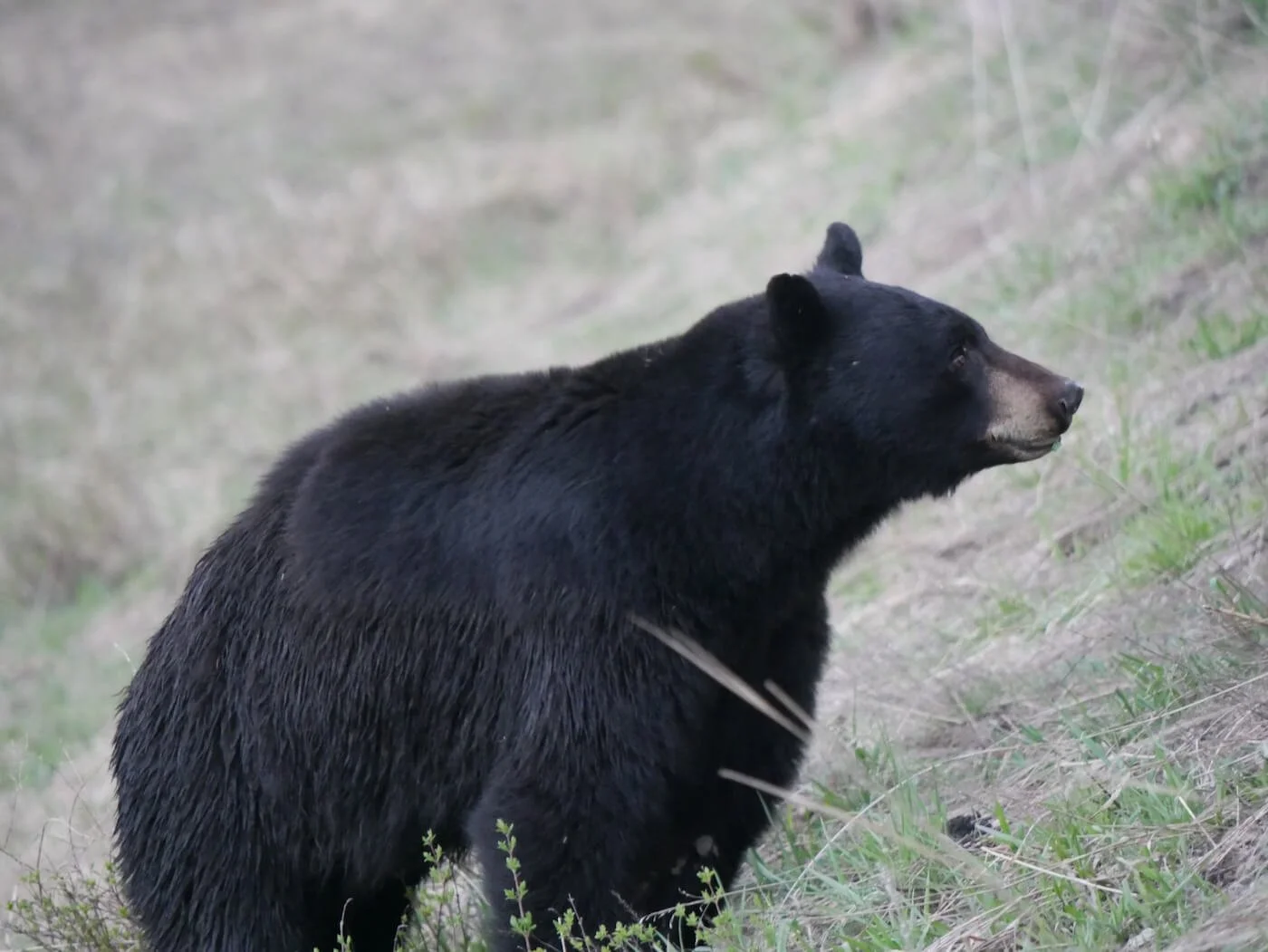
If you’re visiting between mid-May and mid-June, we highly recommend driving toward Tower Fall before heading toward Lamar Valley. This is one of the best times and areas in Yellowstone to see black bears.
Stop 4: Lamar Valley
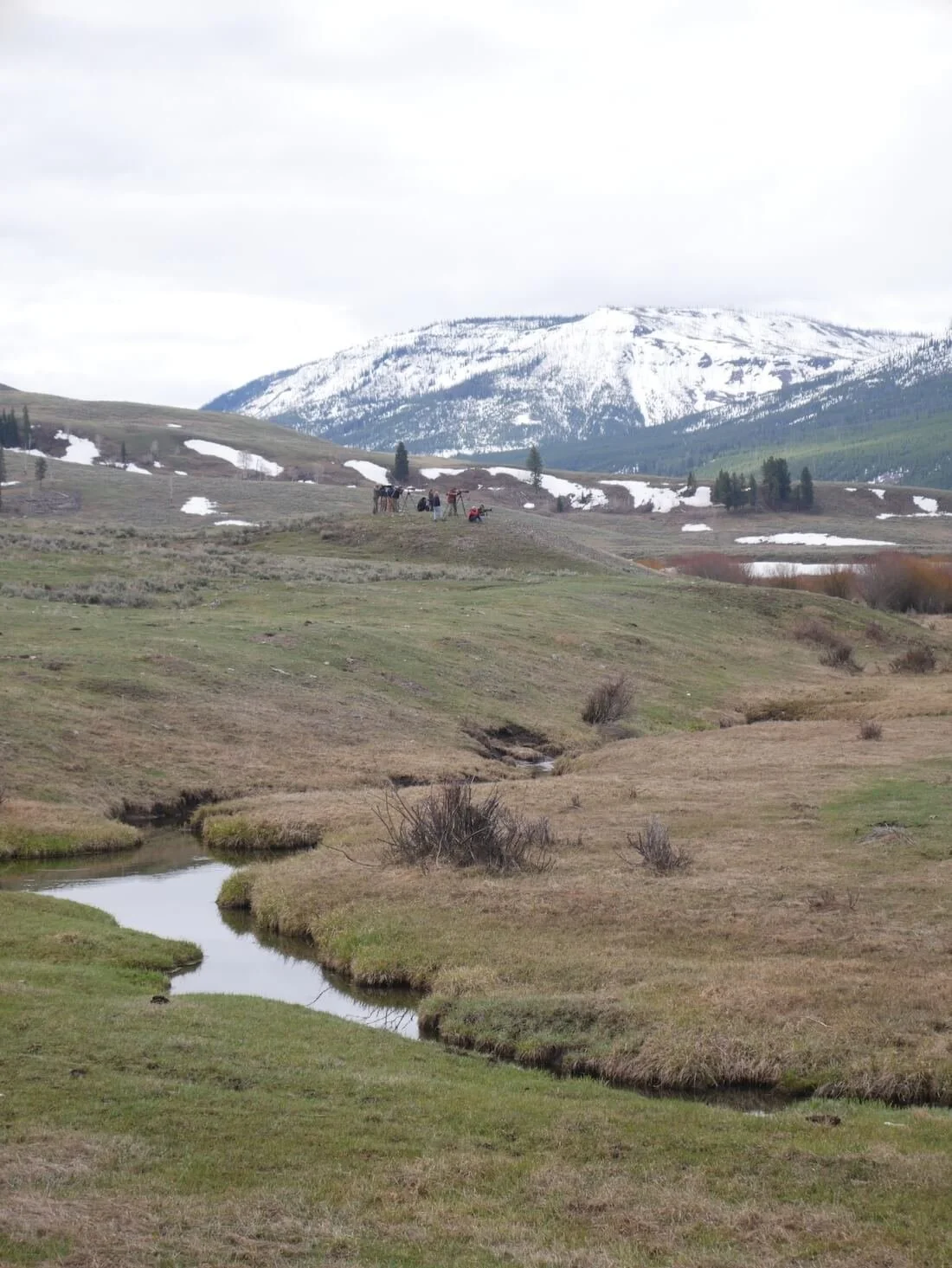
Lamar Valley is one of the most famous areas in Yellowstone for wildlife watching! Look for wolves, large bison herds, bears, coyotes, pronghorn, foxes, elk, bald eagles, and more. It’s common here to spend hours watching the landscape itself instead of moving quickly between attractions.
Sunrise and sunset are usually the best times of day to be in Lamar Valley looking for wildlife. You’re likely to see other vehicles pulled off beside the road while wildlife watchers scan the landscape using spotting scopes and binoculars.
Some mornings involve frequent sightings and active wildlife close to the road. Other days involve long stretches of driving, stopping, scanning hillsides, and watching other pullouts to see where activity is happening. That slower pace is a normal part of the Lamar Valley experience.
Stop 5: Northeast Entrance and Cooke City
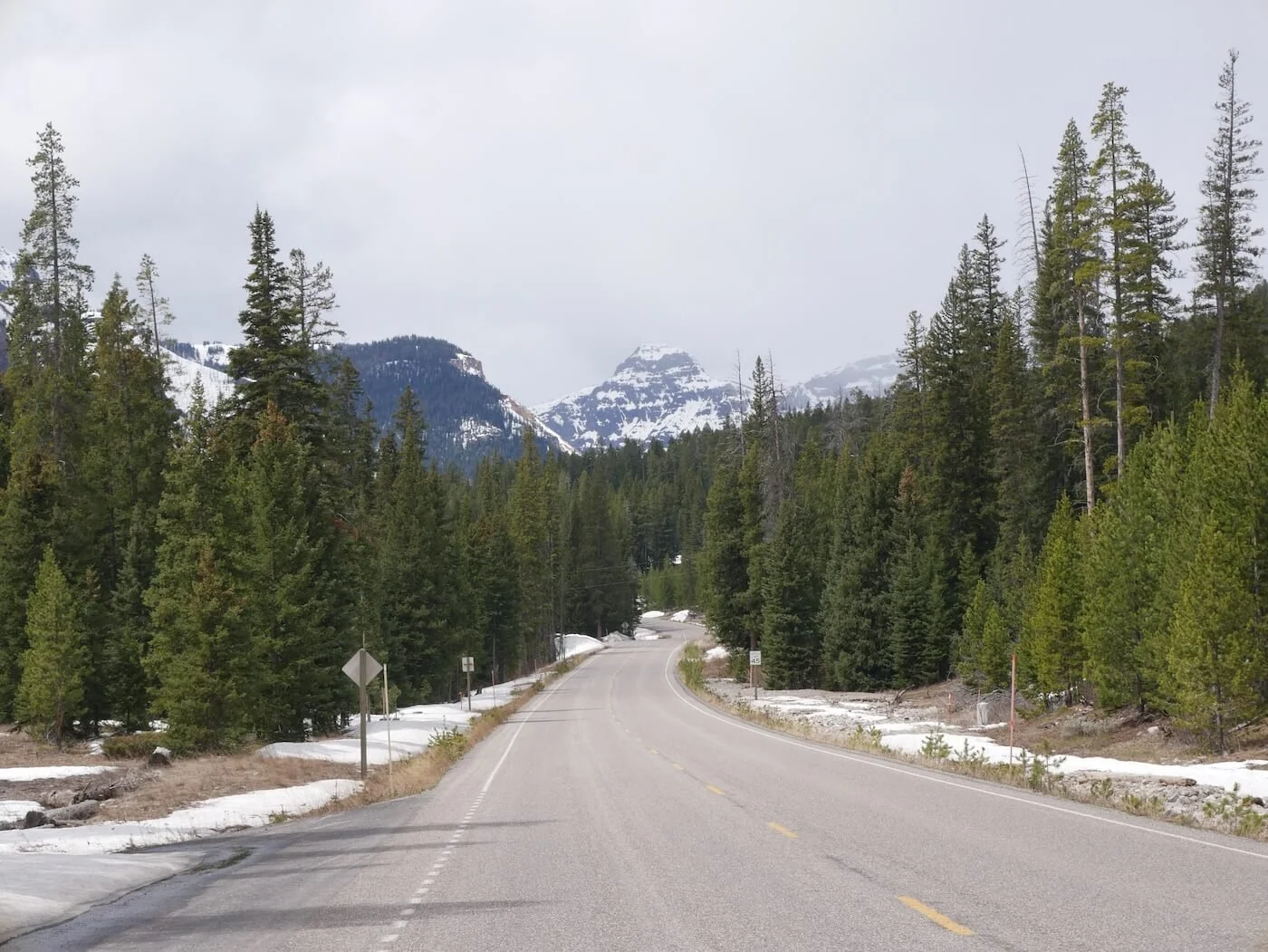
East of Lamar Valley, the road narrows and climbs toward Yellowstone’s Northeast Entrance. The drive through Icebox Canyon is my favorite drive in the winter.
Cliffs rise tightly around the road, the terrain becomes steeper and rockier, and wildlife watching shifts from scanning valleys to canyon walls and mountain slopes. This is one of the best areas along the Northern Range for spotting bighorn sheep on the cliffs above the road.
Beyond the Northeast Entrance, Cooke City and Silver Gate are small mountain gateway towns at the edge of Yellowstone. During summer, this area connects directly to the Beartooth Highway. During winter, it becomes heavily snow-focused, with lots of nearby snowmobile trails.
If you’re visiting during summer or early fall and road conditions are good, continuing onto the Beartooth Highway is absolutely worth considering. It’s one of the most scenic drives in America.
Wildlife You May See Along the Northern Range
The Northern Range is one of the most reliable areas in Yellowstone for spotting:
wolves
bison
elk
grizzly bears
black bears
coyotes
foxes
pronghorn
mule deer
bighorn sheep
bald eagles
river otters
Of course, wildlife sightings are never guaranteed, but compared to many other areas of Yellowstone, the Northern Range consistently offers some of the best wildlife visibility in the park because of its open terrain and year-round accessibility.
Best Time To Visit Yellowstone’s Northern Range
The Northern Range changes significantly throughout the year, and each season offers a different experience.
Spring is one of the best times for active wildlife, bear sightings, and baby animals. Summer brings easier driving conditions, full road access, larger visitor numbers, and longer daylight hours.
Fall centers heavily around elk rut season, cooler temperatures, and quieter roads after Labor Day. Winter is when the Northern Range becomes especially important operationally. Once interior Yellowstone roads close, self-driving access concentrates along the Northern Range between Gardiner and Cooke City.
If you’re trying to decide when to visit Yellowstone, our Yellowstone’s Seasons guide breaks down what spring, summer, fall, winter, and Yellowstone’s shoulder seasons actually look like throughout the park.
Tips for Driving Yellowstone’s Northern Range
Start early and stay out late. Wildlife activity is usually strongest around sunrise and sunset.
Bring binoculars or rent a scope if possible.
Expect to drive slowly throughout the day.
Allow far more time than GPS estimates suggest.
Pull completely off the road using designated pull-off areas when watching wildlife.
Stay at least 100 yards from bears and wolves and 25 yards from all other wildlife.
Check road conditions before entering the park, especially during spring, fall, and winter.
Dress in layers. Conditions can change quickly throughout the day.
Read Next: 8 Things to Know About Driving in Yellowstone National Park
Where To Stay to Explore the Northern Range
Gardiner is one of the most practical places to stay for exploring Yellowstone’s Northern Range. Staying near Yellowstone’s North Entrance makes it easier to:
reach Lamar Valley early in the morning
spend full days along the Northern Range without long cross-park drives
return midday for breaks, meals, or weather changes
head back into the park for evening wildlife activity
It also gives you access to more restaurants, grocery stores, coffee shops, gas stations, and year-round services than many areas inside the park itself.
Our Cozy Yellowstone Compound in Gardiner is located less than a mile from Yellowstone’s North Entrance and one block off Gardiner’s main road, within walking distance of restaurants, coffee shops, and the grocery store.
The property was designed to work especially well for families, groups of friends, or couples traveling together, with three separate cabins that create a balance of privacy and togetherness after long Yellowstone days. Active wildlife trails run through the property, so it’s common to see elk and deer wandering by—even after you’ve left the park for the day.
Mammoth Hot Springs is just minutes away, and Blacktail Plateau, Tower-Roosevelt, and Lamar Valley all become easier to access from this side of the park.
Still Planning?
🏡 Staying Near the North Entrance? Explore the Cozy Yellowstone Compound in Gardiner, our collection of cabins just minutes from the park gate.
🧳 Not Sure What to Pack? Check out our detailed Yellowstone Packing List, so you’re prepared for summer heat, winter cold, and everything in between.
🦬 Still in Planning Mode? Take our free Yellowstone Traveler Quiz to discover your travel style and get our free Yellowstone Planning Playbook.
📚 Want a Step-by-Step Plan with Customizable Itineraries? Our All-Seasons Yellowstone Travel Guide walks you through where to stay, how to structure your days, and what to expect in every month of the year.