Alaska Nat’l Parks Ranked: Easiest to Hardest to Visit
Some Alaska national parks are surprisingly easy to visit. Others require planes, perfect weather, and a lot more planning.
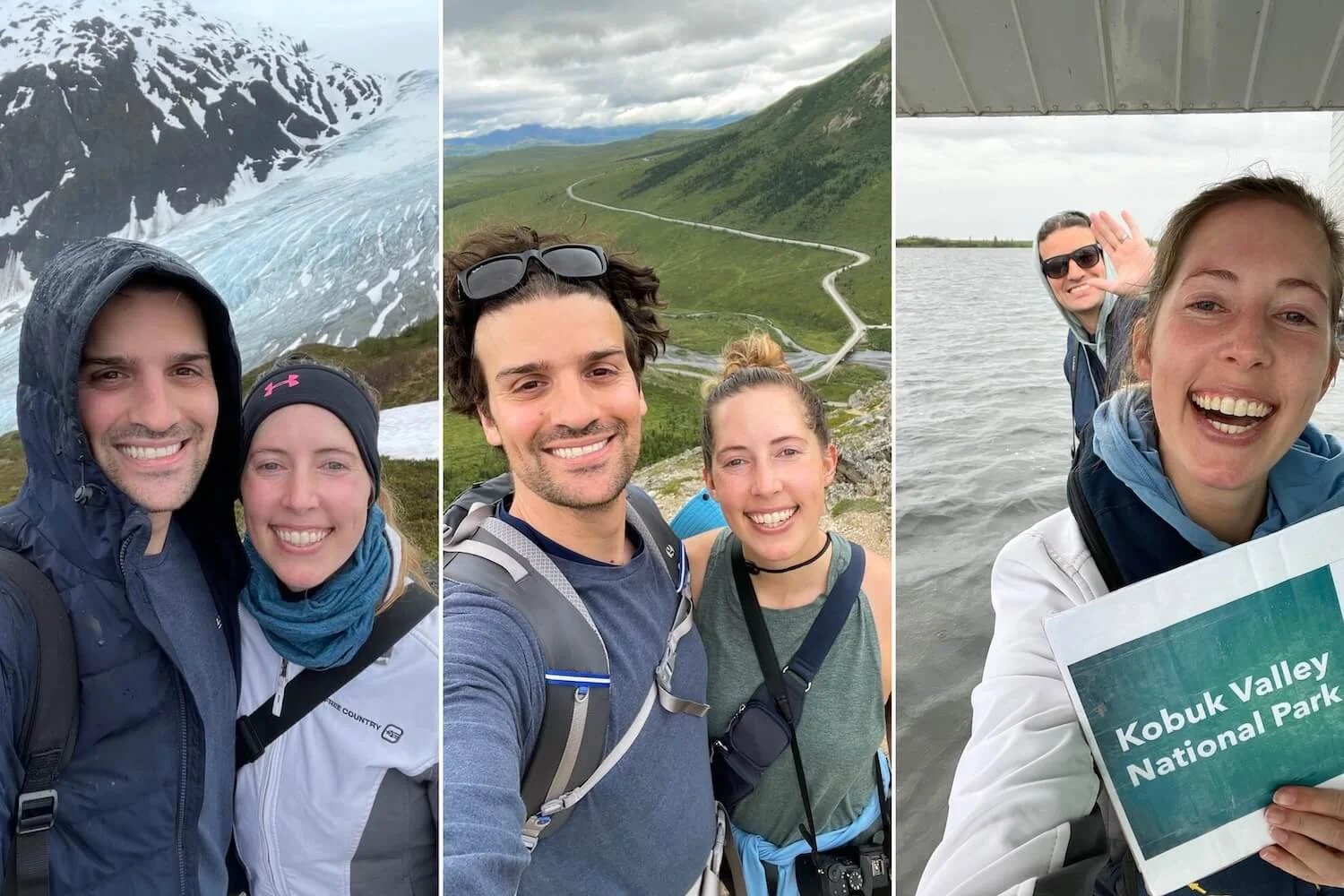
After visiting all eight in 21 days, we learned which parks were easiest to reach and which ones made us work for it most.
If Alaska's national parks are on your bucket list, here's how we'd rank all eight from easiest to hardest to visit, based on how you get there, how much advance planning is required, and how many things have to go right along the way.
#8: Denali National Park
Difficulty: Easiest
Denali was the easiest Alaska national park for us to visit, and it felt the most like planning a national park trip elsewhere in the country.
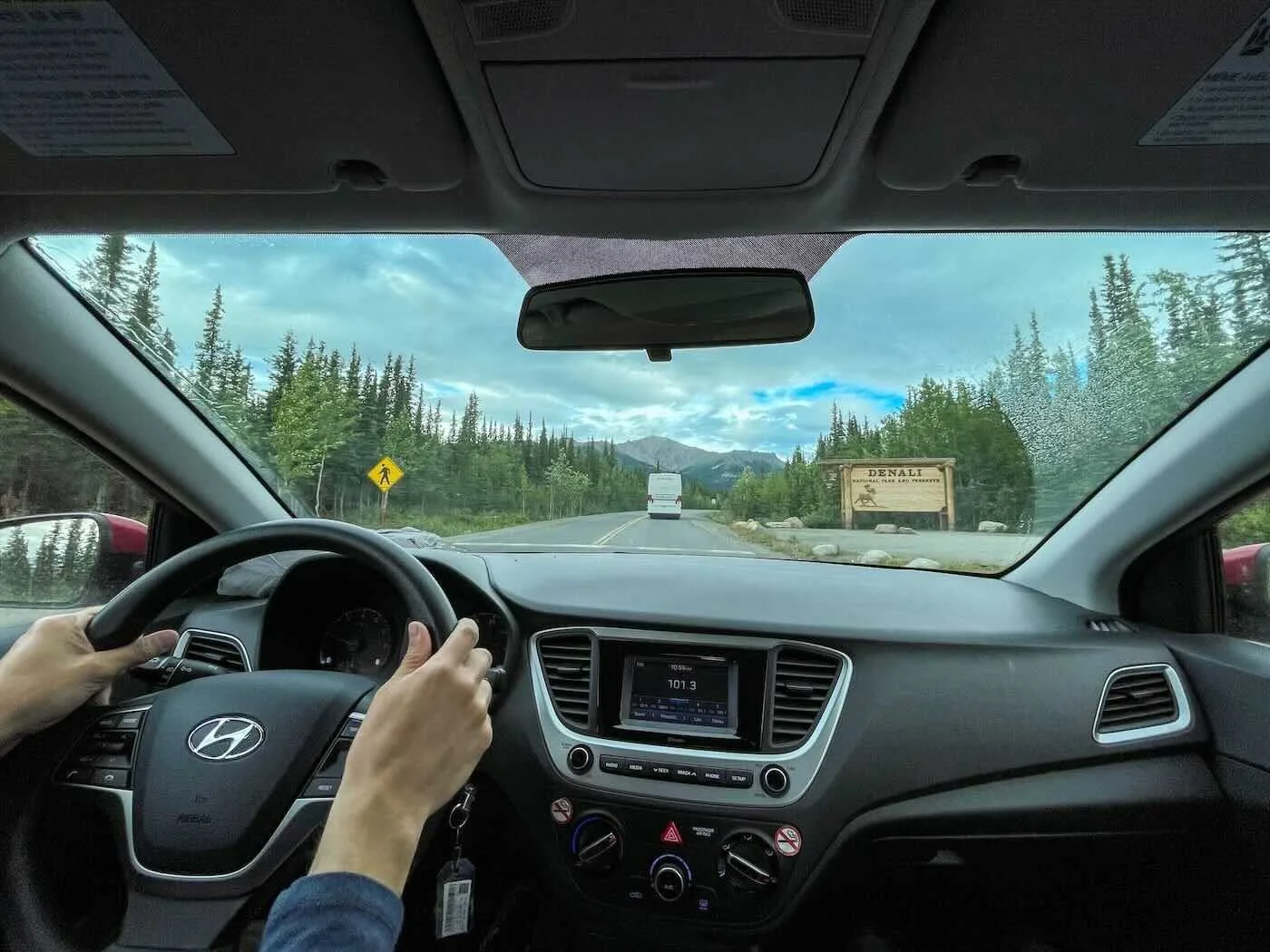
We drove there from Anchorage, stayed for three nights, drove the portion of Denali Park Road open to cars, hiked the Savage Alpine Trail, and took a park bus farther into Denali. Cars could only drive to the Savage River area during our visit, so exploring deeper into the park required another transportation plan, but we didn't need a bush plane, boat, or separate commercial flight just to get there.
That's what makes Denali approachable for a first Alaska national park trip. You can drive there from Anchorage or Fairbanks, find plenty of lodging around the park, and choose how complicated you want the experience to become.
You still need to research Denali Park Road access and reserve the bus experience you want in advance, but compared with the remote parks coming later on this list, Denali gives you a lot more control.
Why we rank it easiest: You can drive there, stay nearby, and have a worthwhile national park experience without arranging specialized transportation.
#7: Kenai Fjords National Park
Difficulty: Easy
Kenai Fjords is another park you can easily work into an Alaska road trip.
Drive to Seward, then drive Exit Glacier Road directly into Kenai Fjords National Park. You can visit the Exit Glacier area, walk the trails, and officially experience the park without booking a single tour.
We spent four nights in Seward because we wanted to experience a lot of the area. We went dog sledding, ice climbing, and kayaking, but those were experiences we chose to add, not things we needed to do in order to visit Kenai Fjords.
Much of the park is water, so I'd still recommend getting out on it if you can. A boat or kayak trip gives you access to a completely different side of Kenai Fjords.
Why we rank it #7: You can drive directly into the park and have a worthwhile visit on your own. Tours simply give you access to more of it.
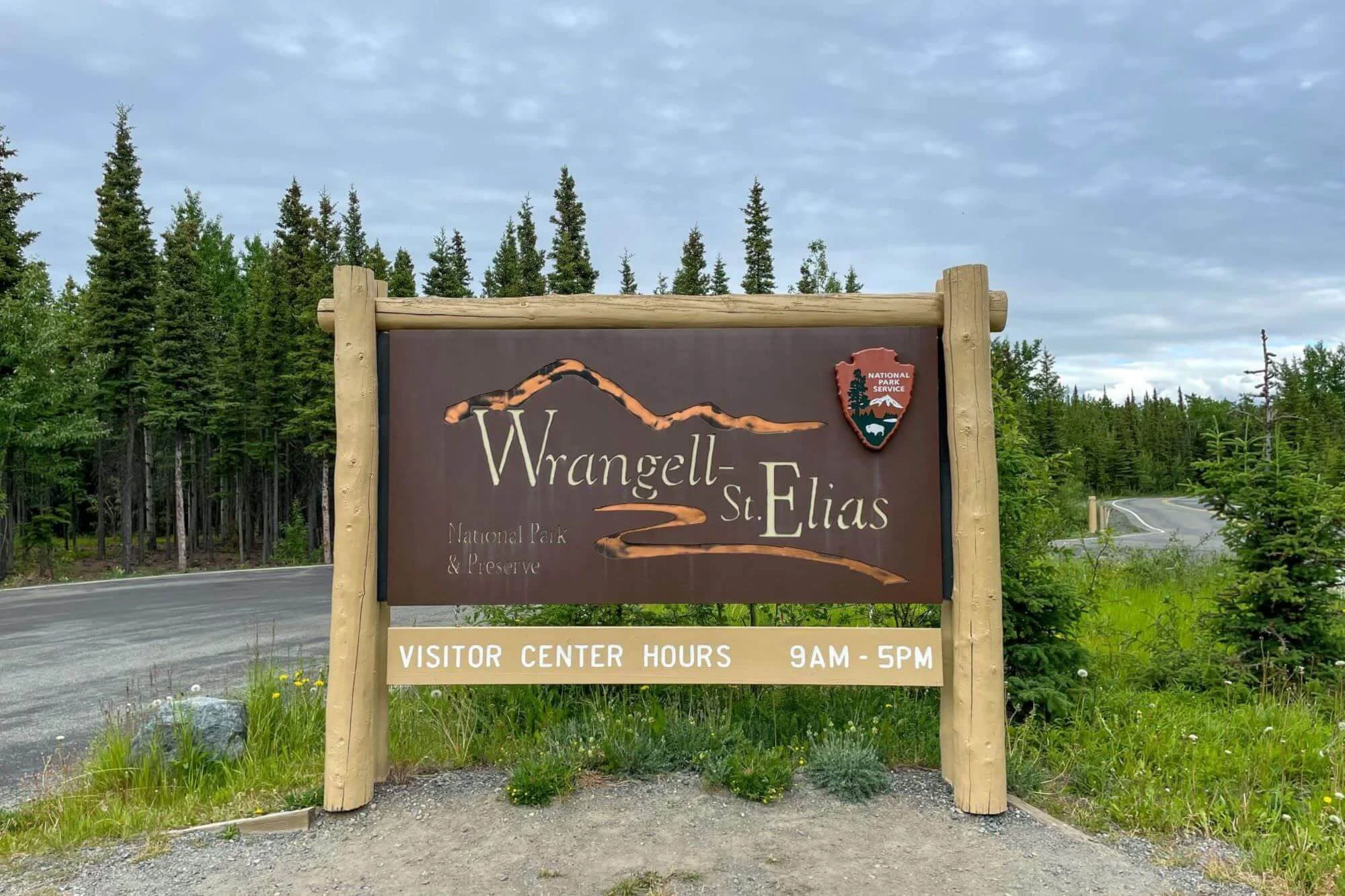
#6: Wrangell-St. Elias National Park
Difficulty: Moderate
Wrangell-St. Elias is technically another Alaska national park you can drive to, which puts it firmly on the easier half of this list.
But there's an asterisk.
If you want to visit the McCarthy and Kennicott side of the park like we did, you'll be driving McCarthy Road, a long gravel road where rental-car rules matter. Some of the major rental-car companies restrict driving on unpaved roads, so check your rental agreement before assuming your Anchorage rental can make the trip. You may need to rent from a company that specifically allows McCarthy Road.
Once you have the right vehicle, the drive itself is very doable. Just take your time.
At the end of McCarthy Road, you park outside town and continue without your car. Our experience got increasingly more remote from there. We used the payphone at the end of the road to contact our lodging, arranged a pickup with our Airbnb hosts, and then used local transportation around McCarthy and Kennicott. We stayed in a cabin without cell service or Wi-Fi, used a shared outhouse with no door, dealt with an impressive number of mosquitoes, and took a shuttle toward Kennicott to reach the Root Glacier area.
You also don't technically need a guide to walk onto Root Glacier. We chose a guided glacier hike because we wanted to spend more time exploring the ice with crampons, but you can hike out to Root Glacier and access it independently.
The difficulty is mostly the commitment required to get there. You need to understand the road conditions, where you'll leave your vehicle, how transportation around McCarthy and Kennicott works, and what services will and won't be available once you arrive.
Why we rank it #6: You can drive there and explore without a tour, but McCarthy Road, limited services, and logistics around McCarthy and Kennicott require more preparation than Denali or Kenai Fjords.
Read Next: What It’s Like Driving McCarthy Road
#5: Glacier Bay National Park
Difficulty: Moderate, but isolated
Glacier Bay is where you have to leave the roadtrip mentality behind.
The park is in Southeast Alaska, so we flew to Juneau, then Gustavus, and treated Glacier Bay as its own portion of the trip. Once you're in Gustavus, visiting the park becomes simpler.
We stayed at Glacier Bay Lodge, which put us right inside the park and made it easy to settle in for several days. The other thing to think about is how you'll actually experience Glacier Bay. You can explore around Bartlett Cove on your own, but if you're going all the way to Gustavus, you're probably going to want to get onto the water. We booked the full-day Glacier Bay boat tour and also spent time kayaking. It was great.
The hardest part is securing the limited lodging and experiences you want. Glacier Bay Lodge can book months ahead, which was one of the availability constraints we had to work around while building our larger itinerary.
Why we rank it #5: You can't drive there, but commercial flights make Gustavus relatively straightforward to reach. Once you arrive, lodging and boat tours can make the actual park experience easy.
#4: Lake Clark National Park
Difficulty: Moderate
Lake Clark is where bush planes enter the picture, but I wouldn't call it especially hard to visit if you're looking for a day trip.
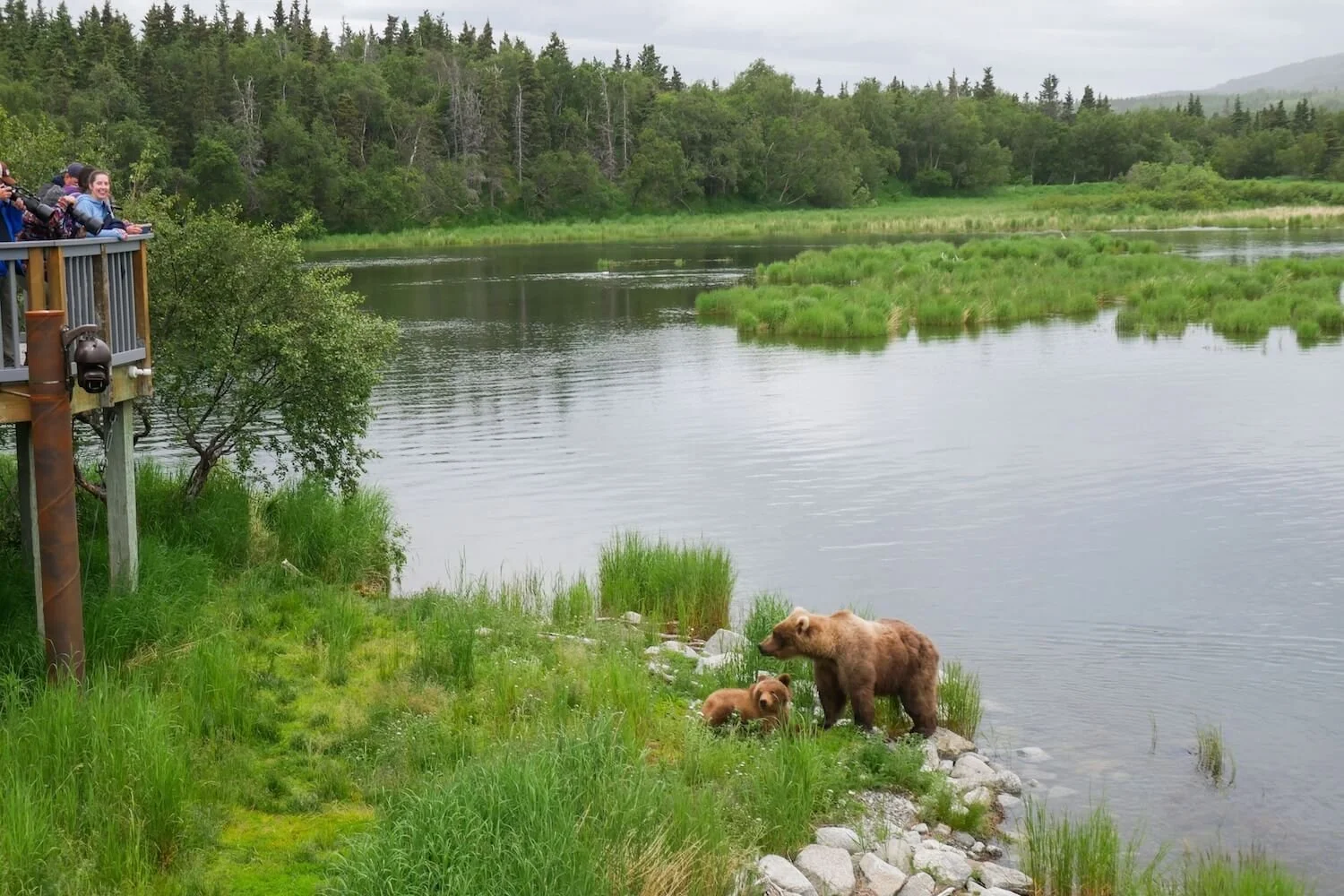
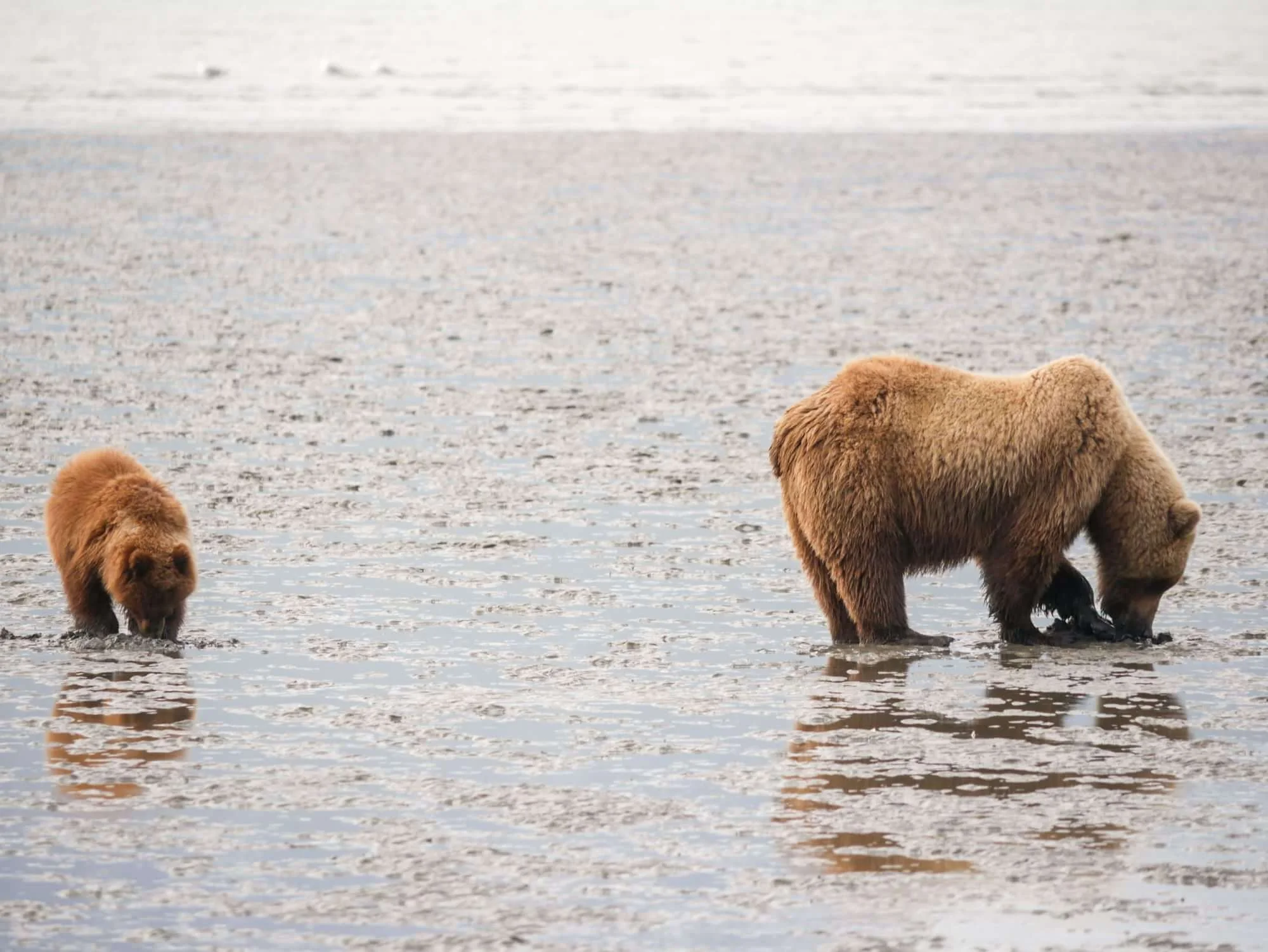
We booked our Lake Clark bear-viewing trip to depart from Anchorage, showed up that morning, climbed into a bush plane, flew through the Aleutian Range, landed in Chinitna Bay, watched bears, and flew back. The tour guides handled most of the complicated part.
What you do need to confirm is exactly where you want to go. We specifically verified that our Chinitna Bay tour would land inside Lake Clark National Park because physically entering all eight parks mattered to us.
Weather is also part of the equation anytime you're relying on a small plane, so I'd leave some flexibility around this day and consider a flex day to make sure you get there.
Staying overnight makes things more complicated because now you're adding remote lodging, but for a day trip, Lake Clark is one of the more approachable fly-in parks.
Why we rank it #4: You need a plane or boat to reach the park and weather can cancel your plans, but a day trip from the Anchorage area can make Lake Clark surprisingly manageable.
#3: Katmai National Park
Difficulty: Hard, especially if you want to stay overnight
Katmai can either be one of the simpler remote parks on this list or one of the biggest planning headaches.
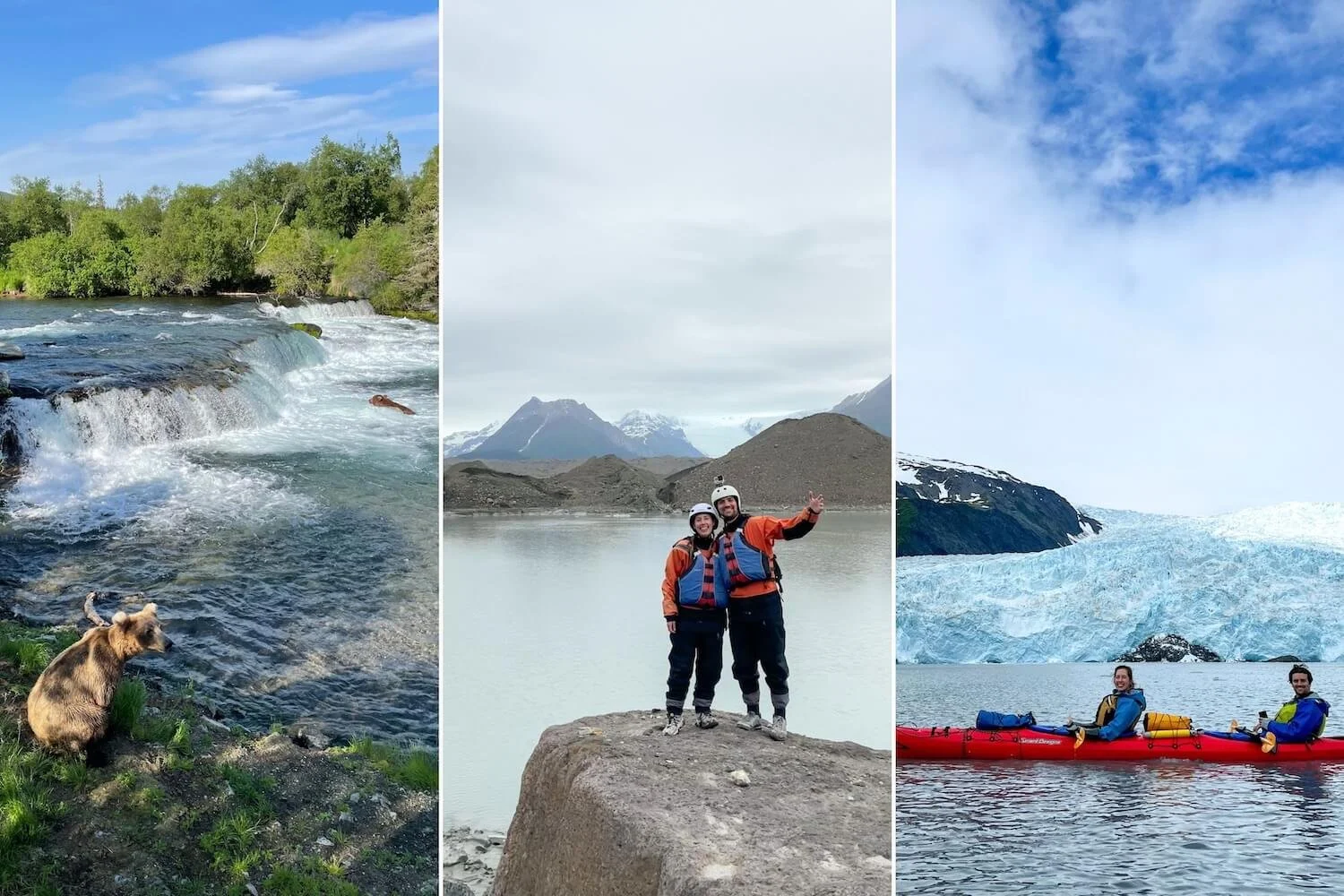
If your goal is to see Brooks Falls and you're comfortable with a day trip, you can book transportation from Anchorage and let an operator handle a lot of the logistics.
We wanted more time. Specifically, we wanted to stay overnight so we'd have opportunities to watch the bears before and after the larger day-trip crowds arrived. That decision made Katmai significantly harder to plan.
Brooks Lodge books incredibly far ahead. When we were planning, the lottery operated roughly a year and a half before the trip, and we'd already missed that window. Brooks Camp Campground became our only option, but campground reservations can disappear within seconds when they open.
Once you've managed to get lodging, you still have to get there. Flying from Anchorage to King Salmon is the easy part, since Alaska Airlines operates that flight just like any other commercial flight. But then we needed to get from King Salmon to Brooks Camp.
You can take a water taxi, fly in on a small plane, or arrange other transportation. We originally booked the water taxi because it gave us the combination of price and flexibility we wanted. Then heavy winds canceled every water taxi to Brooks Camp while we were sitting at the Anchorage airport waiting for our flight to King Salmon, so we had to figure out another way in.
That's Katmai in a nutshell. It is absolutely doable, but an overnight visit asks you to line up a hard-to-get place to stay, commercial transportation to King Salmon, transportation from King Salmon to Brooks Camp, and weather that cooperates with at least enough of the plan.
Why we rank it #3: A day trip can make Katmai relatively simple. An overnight stay adds scarce lodging, another transportation connection, and more opportunities for weather to interfere.
#2: Gates of the Arctic National Park
Difficulty: Very Hard
Gates of the Arctic is one of the most remote national parks in the United States, and it doesn't have roads or established trails. Just figuring out how we wanted to visit became its own research project.
We considered Coldfoot, Bettles, and other access points while comparing operators, costs, flight times, landing locations, and whether we could combine the park with Kobuk Valley.
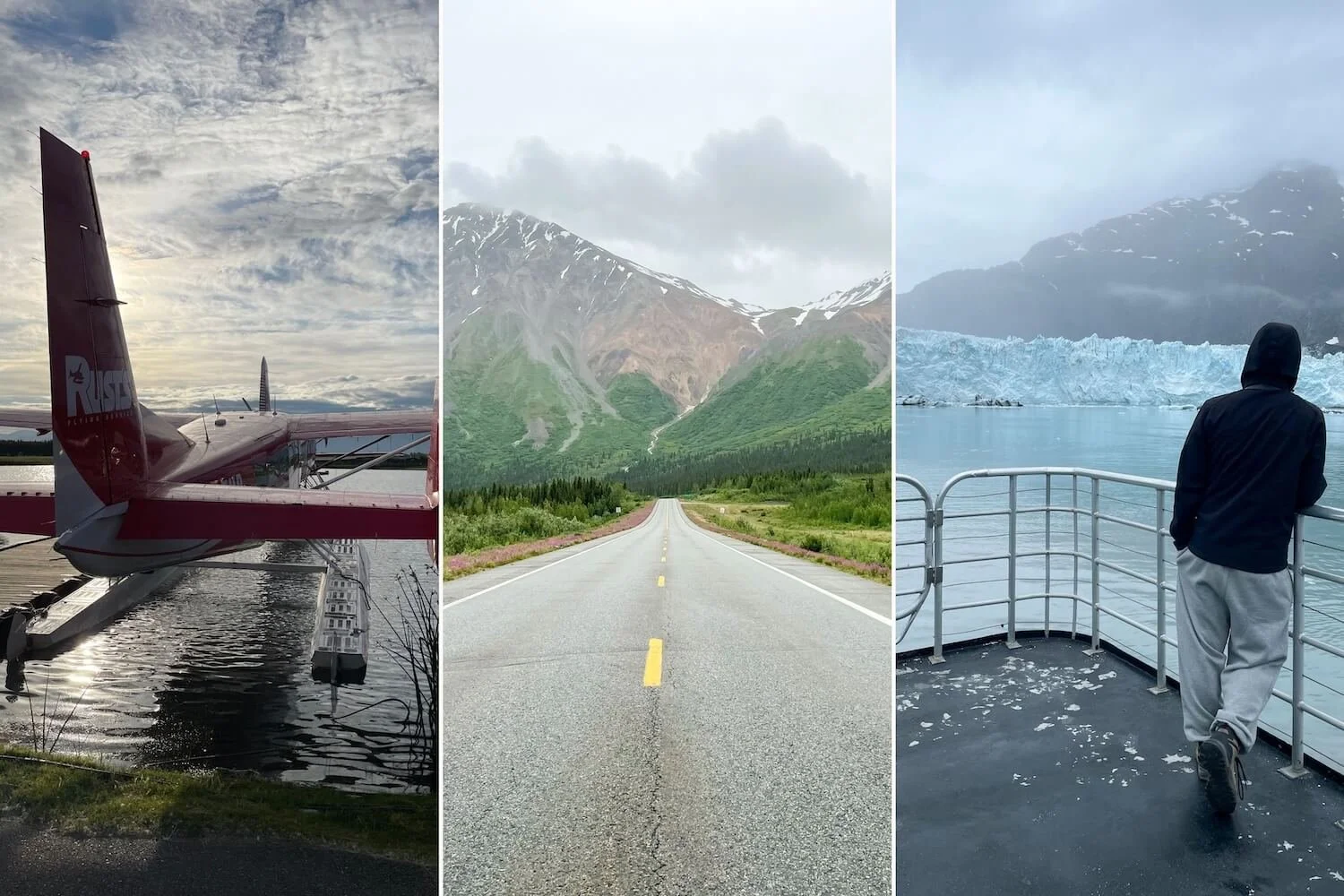
We ultimately drove the Dalton Highway to Coldfoot, camped there, and met our pilot the following morning. Our transportation was a three-seat Cessna A185F seaplane. There were no airport security lines or baggage carousels. We walked into the pilot's office, discussed the weather, and climbed into the plane.
Eventually, we landed beside Long Lake inside Gates of the Arctic. Then our pilot left.
For several hours, it was just us in one of the most remote places we'd ever been. There wasn't a visitor center, trailhead, cell signal, or guide waiting to tell us where to go.
That was exactly the experience we wanted, but it required us to be comfortable spending several hours completely on our own in a remote wilderness.
There are different ways to experience Gates of the Arctic, including guided trips, so you certainly don't have to recreate what we did. But compared with most national parks, there isn't much infrastructure to make the experience easy before or after you arrive.
Why I rank it #2: There are no roads or established trails, reaching it requires specialized transportation, weather controls whether you fly, and even deciding how to enter the park takes research.
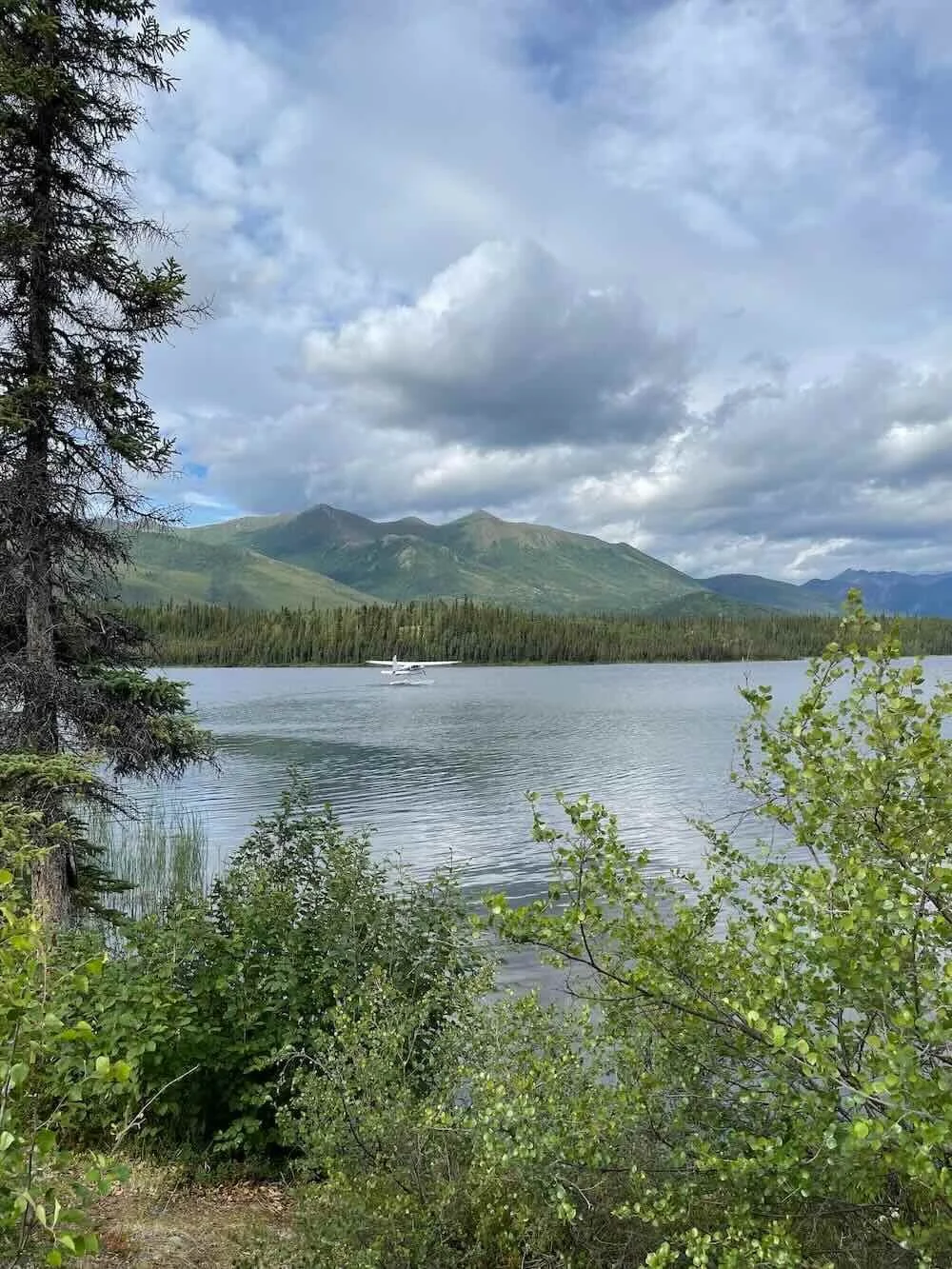
Watching our pilot fly away after dropping us off in Gates of the Arctic National Park
#1: Kobuk Valley National Park
Difficulty: Hardest
Kobuk Valley was the hardest Alaska national park for us to visit because even after we'd planned the transportation, paid for the bush plane, gotten ourselves north of the Arctic Circle, and shown up ready to fly, we still didn't know if we were going to make it there.
Our plan was to visit Gates of the Arctic and Kobuk Valley on the same flightseeing trip from Coldfoot. Gates looked good that morning, but a storm was moving through Kobuk Valley.
Our pilot told us we could fly, but she couldn't promise we'd reach Kobuk. We decided to try and eventually made it into the park, but we couldn't reach our planned destination at the Great Kobuk Sand Dunes. Instead, our pilot found another place where conditions allowed us to land. We touched down beside an unnamed lake, got out of the plane, spent about five minutes inside Kobuk Valley National Park, and took off again before the weather worsened.
That experience wasn't unusual. Kobuk Valley has no roads into the park, and where a small plane can safely land depends on current conditions. If your goal is specifically to stand on the Great Kobuk Sand Dunes, getting into the boundaries of Kobuk Valley isn't necessarily enough. You need conditions that allow your pilot to get you to the dunes.
Why I rank it hardest: Reaching Kobuk Valley requires specialized transportation, flexibility, and weather cooperation, and even after your plane takes off, you may not be able to reach the specific part of the park you traveled all that way to see.
Alaska National Parks Ranked From Easiest to Hardest
Ranking all eight based on our experience, here's where I'd put them:
Denali National Park: Easiest
Kenai Fjords National Park
Wrangell-St. Elias National Park
Glacier Bay National Park
Lake Clark National Park
Katmai National Park
Gates of the Arctic National Park
Kobuk Valley National Park: Hardest
Denali, Kenai Fjords, and Wrangell-St. Elias can be built into a road trip. Glacier Bay requires you to get to Southeast Alaska, but becomes easier once you're there. Then you reach the parks where aviation becomes part of the visit, and every additional layer of bush planes, weather, limited reservations, and remoteness makes the planning more complicated.
But harder does not mean better. Some of our favorite experiences happened in parks that were relatively easy to visit. We went dog sledding and ice climbing around Kenai Fjords. We walked on Root Glacier in Wrangell-St. Elias. We spent days surrounded by wildlife in Glacier Bay.
And harder certainly doesn't mean you shouldn't go. Being dropped off in Gates of the Arctic and racing a storm into Kobuk Valley are two of the experiences I remember most vividly from the entire trip. The difficulty was part of what made reaching those places feel so extraordinary.
The point of this ranking is simply to help you know what you're signing up for!
Planning An Alaska National Parks Trip?
If you're looking at this list and thinking, Okay, but how exactly do I get to these places and what should I do once I arrive?, that's the problem our Alaska National Parks Travel Guide is designed to solve.
It includes transportation logistics for all eight parks, 9-, 14-, and 21-day itineraries, places to stay, activities, packing guidance, and the exact 21-day route we used to connect all eight Alaska national parks in one trip.
Whether you're planning the three road-accessible parks, trying to combine Katmai and Lake Clark, or finally figuring out Gates of the Arctic and Kobuk Valley, you can start with the research we've already done rather than figuring out every park from scratch. Check it out here!
And if you want to come along for the actual 21-day trip, Alaska Diaries tells the day-by-day story of what happened once all that planning was put to the test.
Related Posts